
































Skies Without Borders: Third International Kite Festival Lights Up NCR
Skies Without Borders: Third International Kite Festival Lights Up NCR
Sonal Chikara
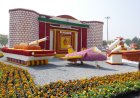
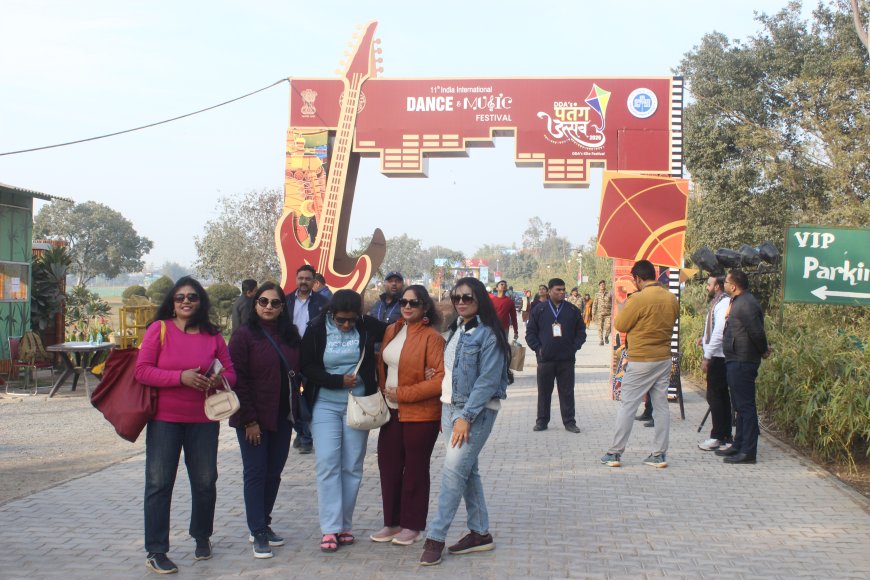
Baansera Park, spread across 12-15 hectares on the Yamuna Riverfront near Sarai Kale Khan in Delhi, hosted the Third International Kite Festival from January 16 to 18, 2026. The event united 28 kite artists from India, Nigeria, Syria, Zimbabwe, Congo, and a number of other nations. Cultural programmes and food stalls added more flavour to the event.
The Inaugural
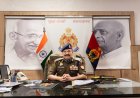
Inaugurating the festival, Union Home Minister Amit Shah shared an interesting historical connection with the audience, informing them that during the freedom movement, people once flew kites with the message “Simon Go Back” on Makar Sankranti as a symbol of protest.
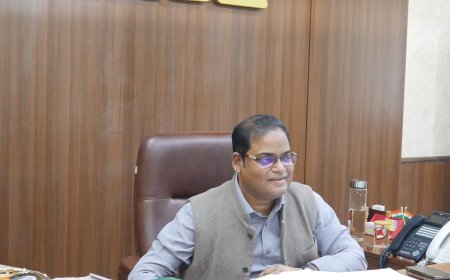
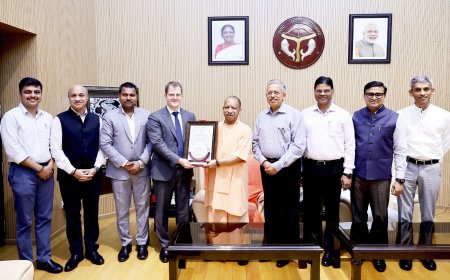
Several dignitaries, including Delhi Lieutenant Governor Shri Vinai Kumar Saxena and Chief Minister Smt. Rekha Gupta was also present on the occasion. Saxena explained how promoting kite festivals in Gujarat had boosted a whole industry. “Kite making there grew from a small business into a ₹600-crore sector, involving nearly 1.5 lakh artisans,” he said.
Celebration of Spring, Sankranti, and New Beginnings
Kite festivals across India are deeply connected to ideas of change, sunshine, and the arrival of spring. While many celebrate Makar Sankranti with colourful skies, Delhi’s kite festival brought a slightly different charm, blending international art, local food, folk culture, and modern recreation in one shared space.
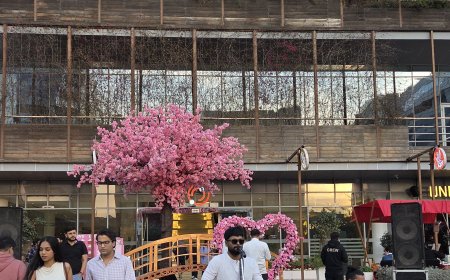
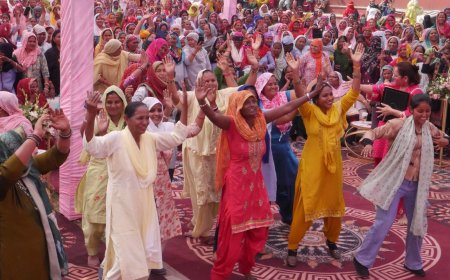
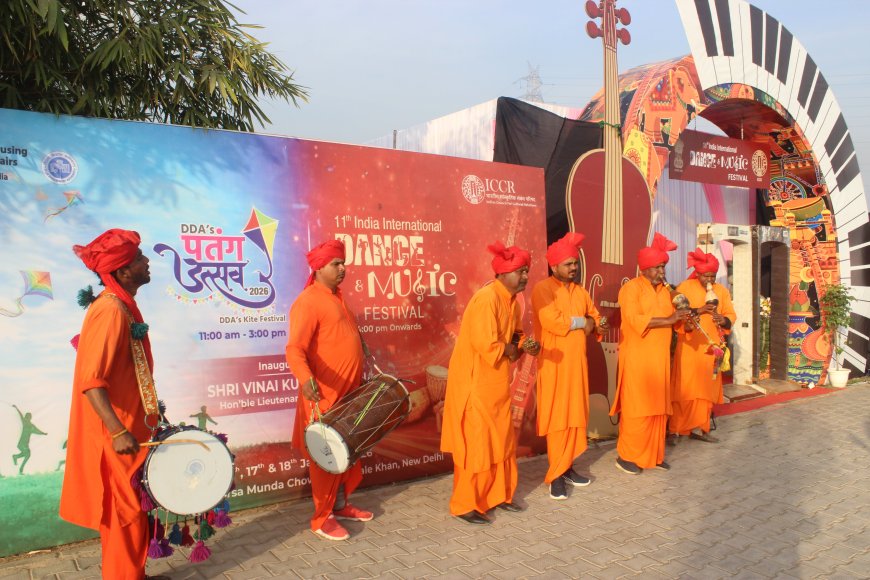
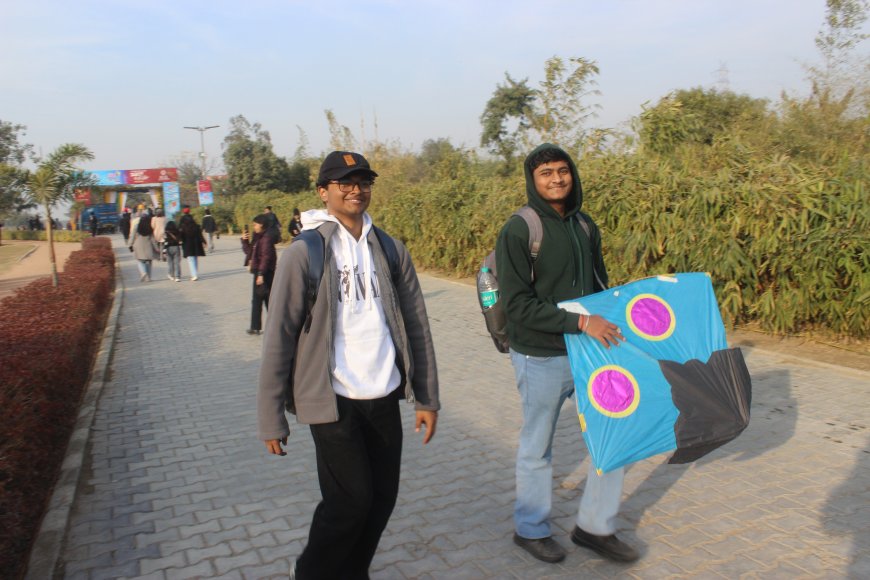
A huge crowd spread across the park, families, children, tourists,and kite lovers filled the Baansera Park ground while bright kites of different shapes and sizes filled the sky, turning it into a moving painting full of patterns and imagination. The air moved with music as a folk troupe played dhol and traditional instruments, giving the festival its upbeat rhythm. Performers in colourful attire wandered through the park and entertained visitors, including one dressed as a lively duck that became a favourite among kids.
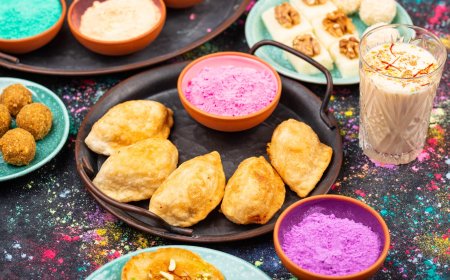
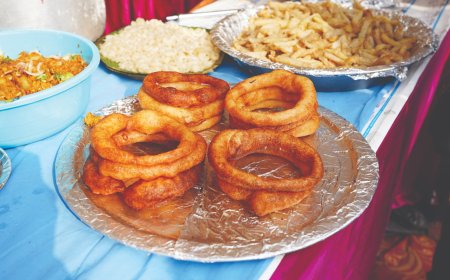
Food stalls added another layer to the celebration. Sweet treats and colourful cakes tempted passersby, while the familiar aromas of chowmein, bhel puri, vada pav, pani puri, cor,n and litti chokha drifted through the park. People queued for snacks, then settled down on the grass to eat, chat, and look up at the sky, an easy winter pleasure shared with family and friends.
Children had their own world at the festival. Cartoon characters, plays, and pottery stalls kept the space lively. A decorated camel wandered through the venue, offering rides and photos, adding a charming rural touch to the urban event.
Historical significance of the kite festival
Traditionally, kites are thought to have first taken flight in China, serving as tools for signaling and military use. As they spread across Asia, they transformed into cultural icons woven into festivals, rituals, and sports. From Makar Sankranti in India to Boys’ Day in Japan, and even fishing in Polynesia, kites evolved from utility to celebration.
A kite holds childhood, nostalgia, memories, freedom, and limitless imagination. It lives in our hearts and is not just paper and thread. It’s joy, laughter, and dreams that fly high.
What's Your Reaction?
 Like
2
Like
2
 Dislike
0
Dislike
0
 Love
0
Love
0
 Funny
0
Funny
0
 Angry
0
Angry
0
 Sad
0
Sad
0
 Wow
1
Wow
1