































































AI & advanced hardware to revolutionise electronics technology in 2026
Electronic gadgets are becoming smarter, superior, more connected, essential and AI-powered, allowing them to operate automatically
HB Team
The world of electronics in 2026 will no longer be defined by some of the advanced appliances alone. AI is changing the rules, making devices smarter, displays larger and more vibrant, and connectivity more seamless than ever before. From hardware advancements to Artificial Intelligence (AI) embedded in your devices, electronics are increasingly becoming extensions of our digital and physical lives.

On-Device Intelligence
AI is not limited only to virtual assistants and voice commands. It is now a foundational part of everyday electronics. Modern devices are increasingly embedding AI processors, enabling real-time language translation, image enhancement and personalisation directly on the device itself. This shift to on-device AI will improve speed, enhance privacy and reduce dependence on cloud computing.
Experts predict that by 2029, as many as 70% of smartphones will be integrated with powerful local AI capabilities, up from roughly 30% in 2025.
Display Technology: Foldable and Flexible
Display technology is exploding with innovation. In 2026, micro-LED displays are finally poised to go mainstream, delivering unmatched brightness, colour precision and energy efficiency. Manufacturers like Samsung and LG are expanding their micro-RGB display lineups, bringing screens of up to 115 inches and beyond into living rooms around the world.
These new displays use independently emitting micro-LED pixels for sharper contrast and richer hues than traditional LCD and OLED panels. With advanced features like glare reduction, adaptive sound and immersive audio technologies such as Dolby Atmos, televisions are transitioning into immersive entertainment hubs that rival movie theatre experiences at home.
Smart Home Devices
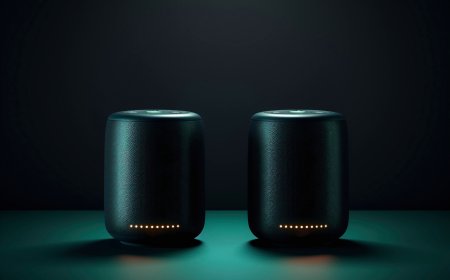
The concept of a smart home is increasing as devices are becoming interconnected and AI-integrated. A smart home includes IoT devices that enable seamless control for the users and perform the actions included in the device when users want.
According to experts, smart thermostats can reduce energy from 10%-12% in the future. It will help in making homes smarter and more sustainable.
The Chip Race
At the heart of every smart device is a semiconductor, the tiny chip that makes everything possible. The global demand for advanced chip manufacturing is increasing in 2026, with major investments in local production facilities to reduce reliance on overseas supply chains. One notable example is the upcoming semiconductor plant near the Noida International Airport in Jewar which will produce critical display driver chips for smartphones, TVs, and wearable devices.
At the cutting edge of chip design, innovations such as 3D chip stacking, which layers components vertically to boost performance and efficiency, are expected to define next-generation processors. These advancements are critical as electronics strive to meet the demands of real-time AI processing, edge computing, and high-speed connectivity.
Connectivity and Smart Ecosystems
Connectivity is one of the important pillars of modern electronics. As 5G networks expand and Wi-Fi 7 rolls out, devices are experiencing data speeds, lower latency, and more reliable connections. These improvements are not just about faster browsing. From smart homes and appliances to autonomous vehicles and industrial applications, they enable real-time interactions across ecosystems of interconnected devices.
Smart home technology now goes beyond voice-activated lights and thermostats, integrating energy monitoring, environmental sensing, advanced security systems, and automated workflows that make living spaces more efficient and responsive.
Sustainability
Sustainability is no longer a buzzword; it is a key expectation. Electronics companies are increasingly adopting eco-friendly materials, modular designs for easier repairs, and energy-efficient components to reduce environmental impact. Policies and consumer demand are pushing brands to develop long-lasting products that are easier to upgrade, recycle and repurpose.
Takeaway
From AI-powered devices and immersive displays to locally intelligent devices and sustainable innovation, 2026 will be a milestone year in electronics. It predicts, adapts and enhances our daily lives. As these trends continue to unfold, one thing is certain: electronic gadgets are becoming smarter, superior, more connected, essential and AI-powered, allowing them to operate automatically.
What's Your Reaction?
 Like
1
Like
1
 Dislike
0
Dislike
0
 Love
0
Love
0
 Funny
0
Funny
0
 Angry
0
Angry
0
 Sad
0
Sad
0
 Wow
0
Wow
0