





























































Ozempic - The Weight-Loss Shortcut Indians Can’t Stop Talking About
Social media has inspired people to care about health, but it has also triggered an unrealistic desire for quick fixes. Though medications like Ozempic may appear to offer an easier path, the journey behind weight loss is rarely as simple as taking a shot or a pill.
Sonal Chikara
Heard of Ozempic, the weight loss drug recently linked to filmmaker Karan Johar and rapper Badshah? While both Johar and Badshah dismissed the social media rumours and credited it to right diet, exercise and lifestyle changes, speculations are still rife on the merits of the drug even when Glucagon-Like Peptide-1 (GLP-1) drugs, and especially Ozempic, are still mainstream.
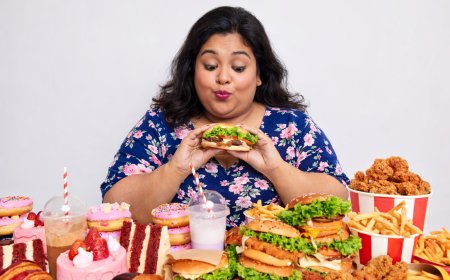
Social media has inspired people to care about health, but it has also triggered an unrealistic desire for quick fixes. For individuals struggling with obesity, weight loss isn’t just a cosmetic concern, it’s a tough, long-term fight. Anyone who has been overweight knows how challenging it is to lose even an inch. It demands lifestyle changes, discipline, consistency and often emotional strength. Though medications like Ozempic may appear to offer an easier path, the journey behind weight loss is rarely as simple as taking a shot or a pill.
What is GLP-1?
GLP-1 is a natural gut hormone that helps regulate blood sugar by boosting insulin and lowering glucagon. It also helps you feel full for longer and lowers hunger, which is why GLP-1–based medications can support weight loss and metabolic health.
What is Ozempic?
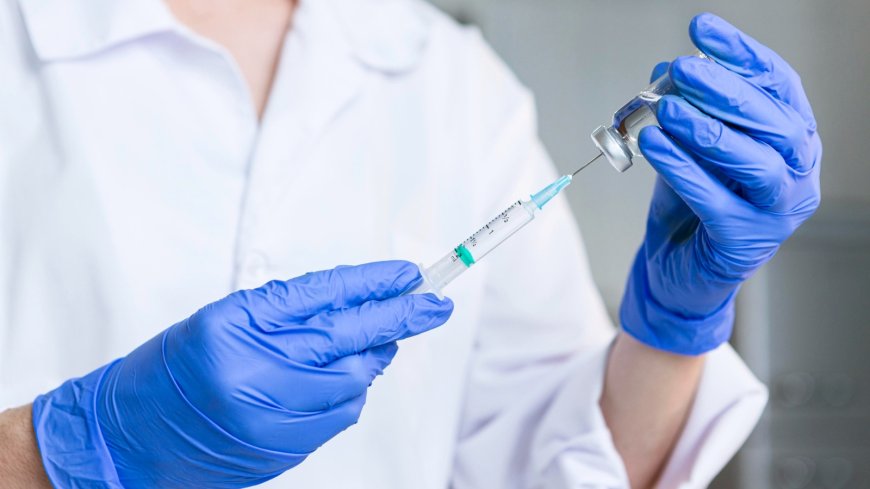
Ozempic (semaglutide) is a US Food and Drug Administration (FDA)-approved medication, a specific GLP-1 drug that mimics this hormone. The famous drug Ozempic was originally approved to treat Type 2 diabetes, but is now also widely used off-label for weight management due to its appetite-reducing effects.
So how do these drugs actually work?
GLP-1 drugs help with weight loss by slowing digestion and reducing appetite. Our gut has tiny sensors that monitor what we eat and then send signals to the brain about hunger and digestion. “Once the brain gets the message that food has arrived, it triggers the body to prepare for digestion, including releasing insulin to manage blood sugar,” informs Dr Piyush Kumar Agrawal, Consultant - Advanced Laparoscopic Surgery, Bariatric & GI Surgery at Sarvodaya Hospital, Greater Noida West.
These drugs do two key things: it slows down how quickly food leaves the stomach, which makes you stay full longer, and it boosts insulin release after meals. Because the hunger centres in the brain are involved, people lose appetite and end up eating less without much effort.
Ozempic Rebound
“It’s like a withdrawal effect, and this is natural to happen. As long as GLP-1 analogues are available inside the body, they will act. The moment we stop them, their action wears off, and the body/brain goes back to original setpoint and weight regains. The hunger hormone comes back, and appetite increases, gastric emptying increases and the patient starts feeling hungry again, causing the perfect storm for rapid weight regain,” informed Dr Agrawal.
According to him, Ozempic should only be taken after a doctor’s prescription and supervision. It is recommended for adults with obesity and obesity-related comorbidities such as diabetes, dyslipidemia or heart disease, who have previously attempted to lose weight. Pregnant and lactating women, people with a history of thyroid cancer, pancreatitis, certain allergies, and eye-related conditions such as proliferative diabetic retinopathy or optic neuritis are advised not to take the medicine.
Fitness expert Karan Tyagi, a Certified Personal Trainer (CPT) from K11 Fitness Academy, Mumbai, says Ozempic can help in fat loss, but it is not a magic solution. “Ozempic increases insulin sensitivity in the body. Because of this, some people may face mild digestion problems. But these are common and manageable,” he says.
Healthy ways to lose weight
· Avoid binge eating
· Manage stress
· Exercise daily by combining different workouts such as walking, strength training, sports, swimming, cardio, dance, or gym sessions
· Create support groups on social media to motivate and encourage each other
· Seek professional help if needed, as surgical treatments may be considered in cases of severe obesity
What's Your Reaction?
 Like
1
Like
1
 Dislike
0
Dislike
0
 Love
0
Love
0
 Funny
0
Funny
0
 Angry
0
Angry
0
 Sad
0
Sad
0
 Wow
0
Wow
0