






















Uttarakhand’s Mahakauthig Returns to Noida in Grand Style

HB Team
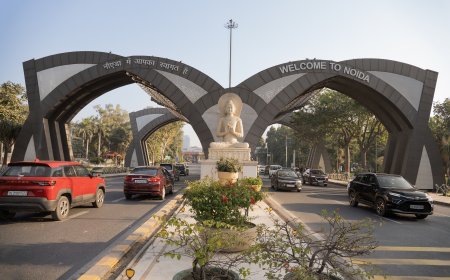
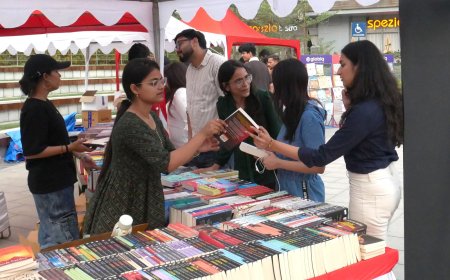
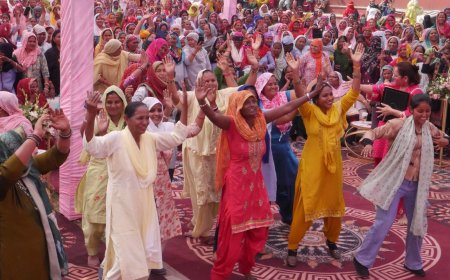
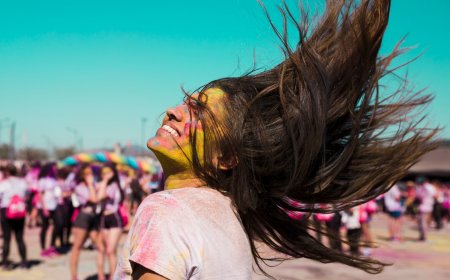
Plates full of pahadi food, hearts full of joy, and phone galleries full of unforgettable memories; this is what the 15th Uttarakhand Mahakauthig Fair looked like. The annual cultural festival showcasing the folk culture, handicrafts and cuisine straight from the hearts of Uttarakhand began on December 19, 2025 and ended on December 25, 2025. It was a week full of pahadi music, live artists, fun activities, folk dance, live food stalls and much more, turning the Noida Stadium Complex into a vibrant reflection of Uttarakhand in its truest sense.
For those unfamiliar, Mahakauthig is derived from two words—Maha, meaning mega, and Kauthig, meaning fair—together translating to a Mega Fair. True to its name, this year’s edition lived up to the promise, offering a vibrant blend of culture, flavours and experiences. Let’s take a look at the moments that made Mahakauthig 2025 truly memorable.
Bigger, Longer, Grandeur
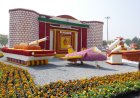
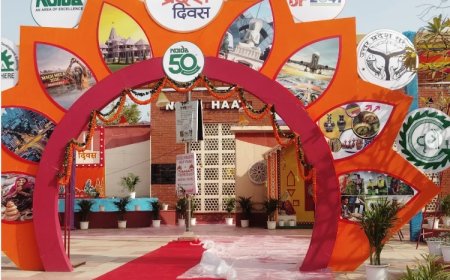
The mela this year extended from five to seven days looking at the footfall in 2024, saw the main stage designed to resemble the Jageshwar Dham temple of Almora in Uttarakhand.
The Pahadi Essence


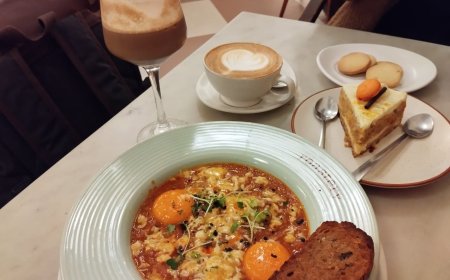
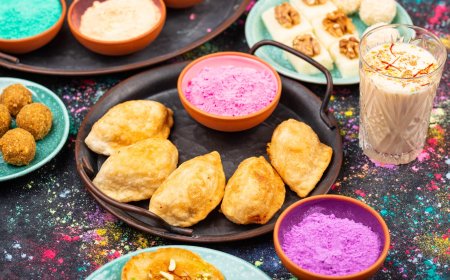
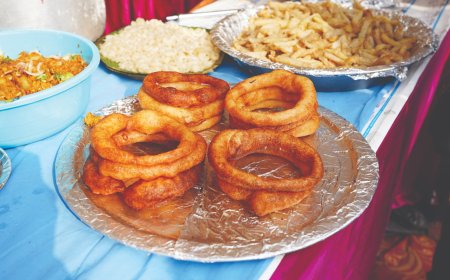
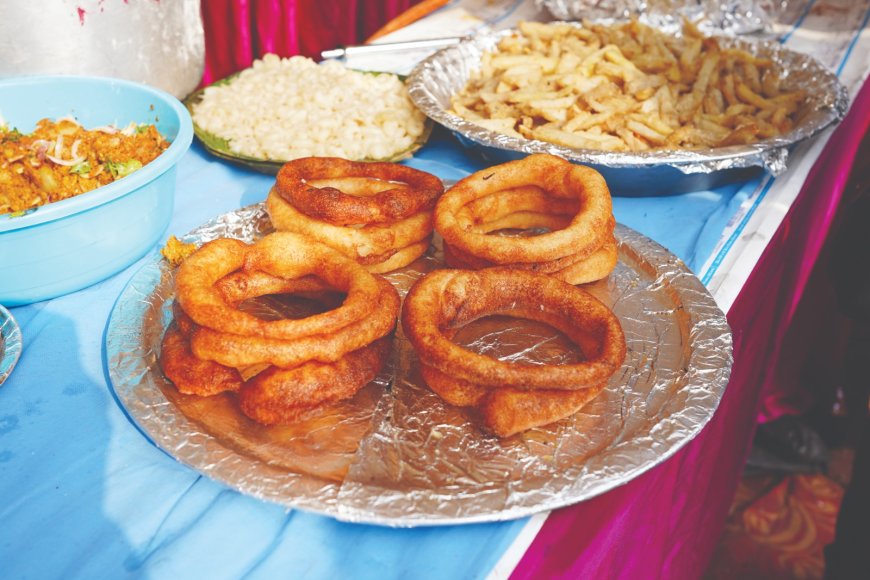
The true crowd-pullers, however, were the traditional sweets—Bal Mithai, Singori and the much-loved winter special, Khajur ka Gur (date molasses)—each bite evoking nostalgia. Red rice (lal chawal) intrigued many, while the refreshing juice made from Rhododendron flower (Buransh) offered a healthy pause, among others. Most visitors ended the visit with freshly made Sel Roti, a delicious rice-flour preparation, typically enjoyed with mashed potatoes and sesame seeds.
The Festival’s Showstoppers

The stalls extended beyond Garhwali cuisine and traditional attire, offering food from Rajasthan, Punjab and several other states. Among the biggest crowd-pullers—especially for women—were the silver and artificial jewellery stalls from Uttarakhand. A cultural programme on Nanda Devi emerged as the most striking moment of the festival, drawing enthusiastic participation from visitors.
Launched 15 years ago to celebrate Uttarakhand’s folk culture, handicrafts and cuisine, the Mahakauthig festival continues to strike a deep chord with the Pahadi community. “The music, singers and main-stage events were outstanding, with performances by artists such as Pritam Bhartwan, Sarita Paudel, Kishan Mahipal, Kailash Kumar, Lalit Mohan Joshi and Narendra Singh Negi making it especially memorable. The Pahadi thali was delicious. It felt like I was in Uttarakhand,” said Aisha Bisht, a Delhi-NCR-based YouTuber.
What's Your Reaction?
 Like
1
Like
1
 Dislike
0
Dislike
0
 Love
0
Love
0
 Funny
0
Funny
0
 Angry
0
Angry
0
 Sad
0
Sad
0
 Wow
0
Wow
0