





























5 Different Types Of Silk Sarees In India
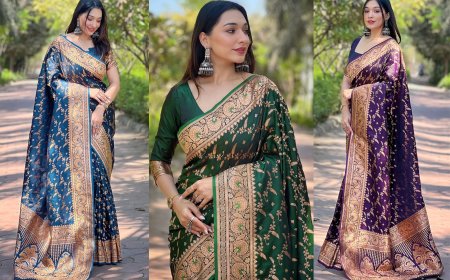
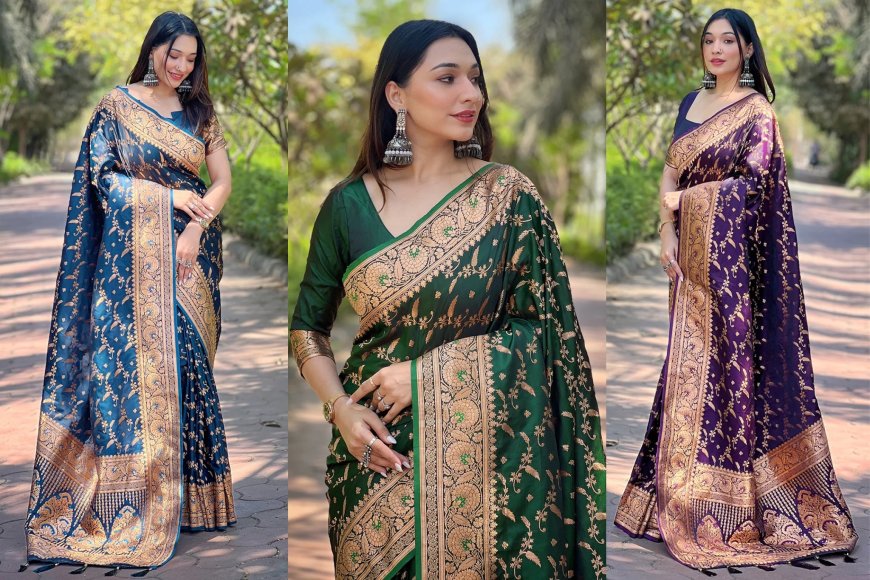
Silk sarees are renowned not only in India but all over the world. The richness of design and texture exudes royalty and also shows the talent of Indian artisans. From Banarasi to Kanjivaram, we have listed here 5 different types of silk sarees that will capture your attention.
Sneha Singh
An Indian attire that looks graceful and is evergreen is silk saree. Nothing can match the elegance of these beautiful sarees. Almost every Indian state has its own culture and heritage, which reflects in its sarees. Like Banarasi silk is famous for its intricate gold/silver zari brocade and rich, Mughal-inspired designs, Kanchivaram silk sarees from Tamil Nadu are known for their heavy and pure mulberry silk. There are many silk types across India.
In many places, such as in the South and East, brides prefer wearing a heavy silk saree for a richer and more traditional look. The quality, work, and designs require a lot of hard work, as most of them are handmade. So, they are expensive too. The exquisite craftsmanship is also considered sacred as it shows the cultural and traditional values. Let's explore 5 different and famous silk sarees of India:
Since these sarees are more than just garments—they are historical narratives woven into fabric—describing them in a more fluid, descriptive style helps capture their true essence. Here is a deeper look at five iconic drapes in a narrative format.
Banarasi
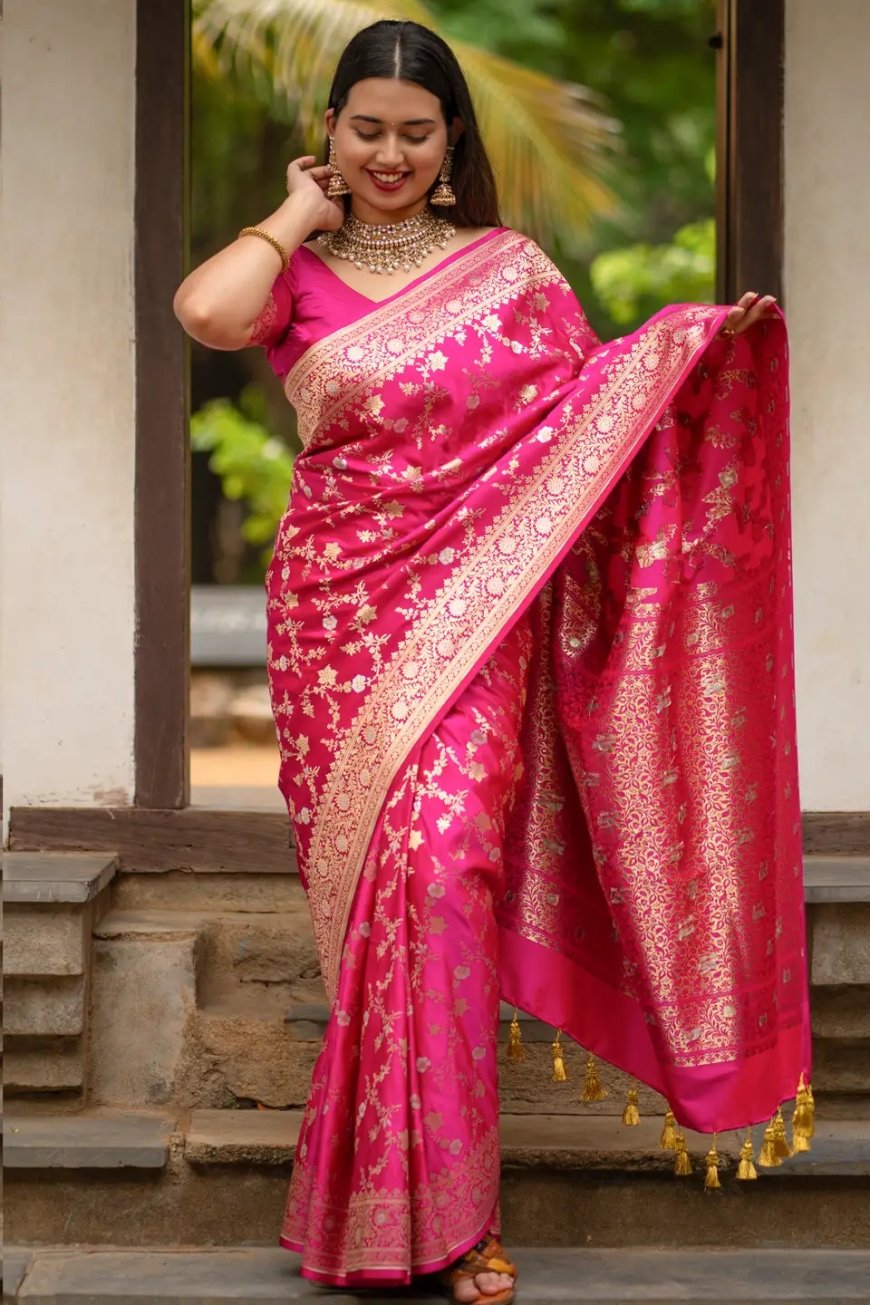
The Banarasi silk saree is a masterpiece that originated in the ancient city of Varanasi. These sarees are defined by their sheer opulence, characterised by heavy gold and silver zari work that creates a metallic "sheen" across the fabric. The weavers often incorporate intricate floral and foliate motifs, known as kalga and bel, which give the saree a weight and texture that feels truly royal. Because of the density of the metallic threads and the high quality of the silk, a Banarasi is often the centrepiece of an Indian bridal trousseau, symbolising luxury and a connection to the Mughal era's aesthetic legacy.
Kanjeevaram
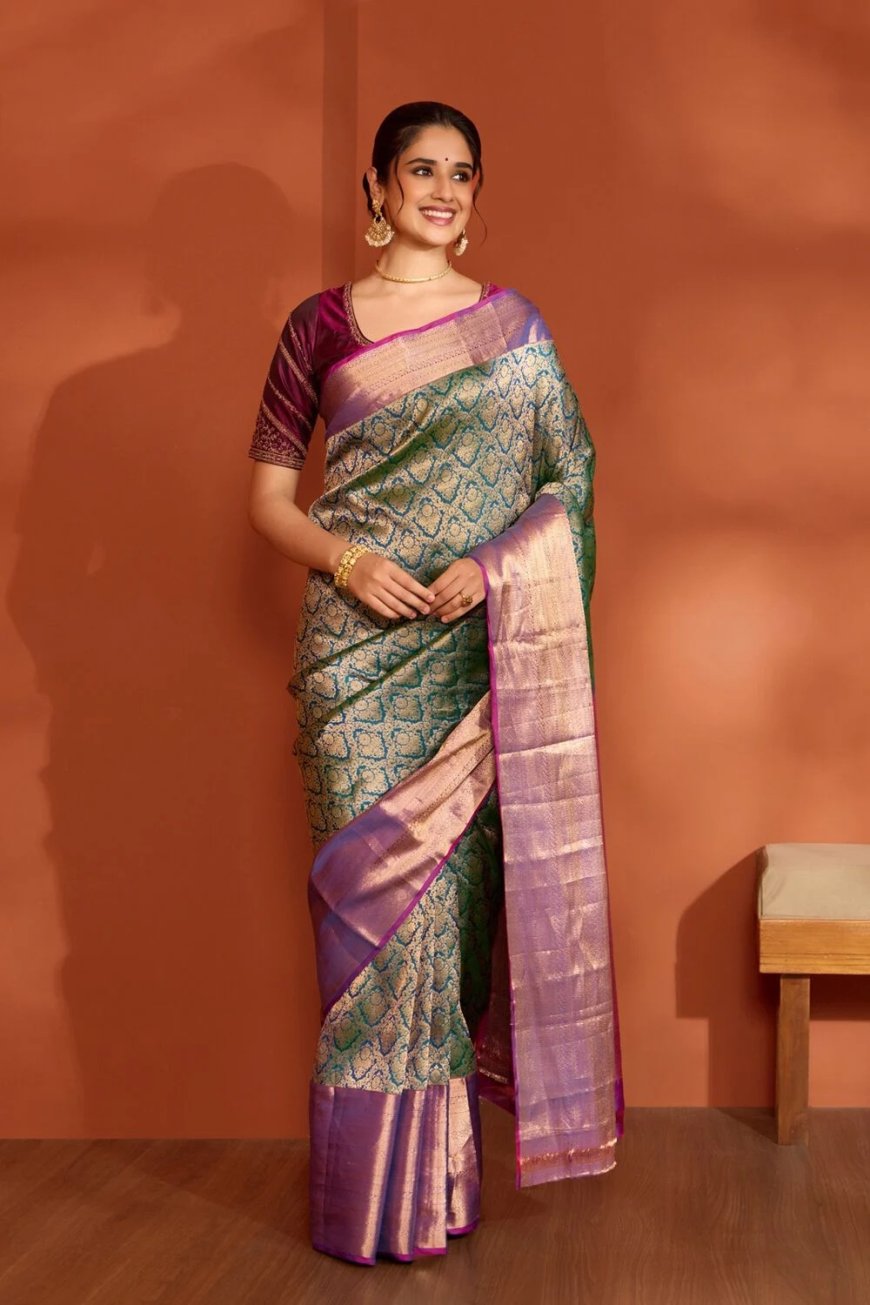
Hailing from the temple town of Kanchipuram in Tamil Nadu, the Kanjeevaram is a marvel of structural integrity and vivid colour. What sets this saree apart is the three-shuttle weaving technique, where the border, the body, and the pallu are often woven separately and joined with a signature zigzag stitch. The motifs are deeply rooted in South Indian temple architecture, featuring silhouettes of peacocks, lions, and mangoes, all rendered in thick, high-quality silk. Kanjeevaram is famous for its durability and "wrinkle-free" drape.
Paithani
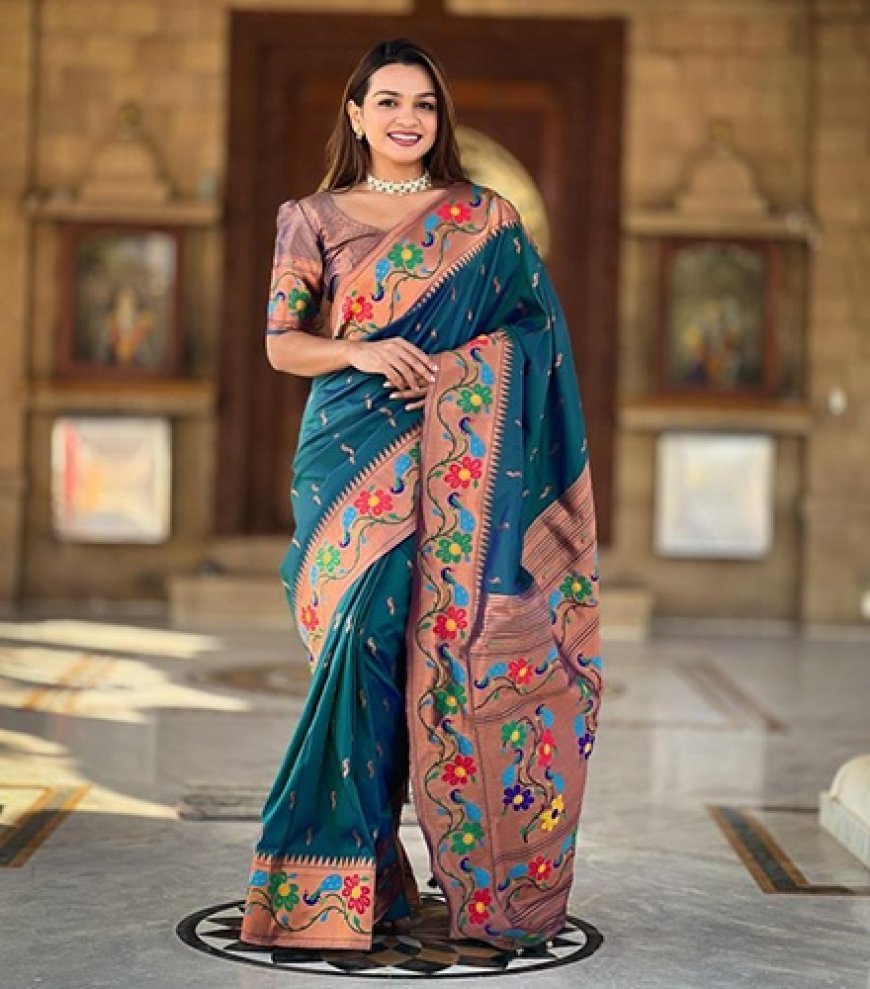
The Paithani saree from Maharashtra is luxurious because of its delicate, artistic nature. Its most striking feature is the tapestry-style pallu, which is woven using a technique where the threads of different colours are interlocked to create patterns that look identical on both sides. Unlike the heavy zari work of Banarasi, the Paithani focuses on nature-inspired motifs like the muniya (parrot) and the lotus. The base silk is usually very fine and glossy, providing a smooth canvas for that dance across the borders, making it a favourite for traditional Maharashtrian celebrations.
Tussar
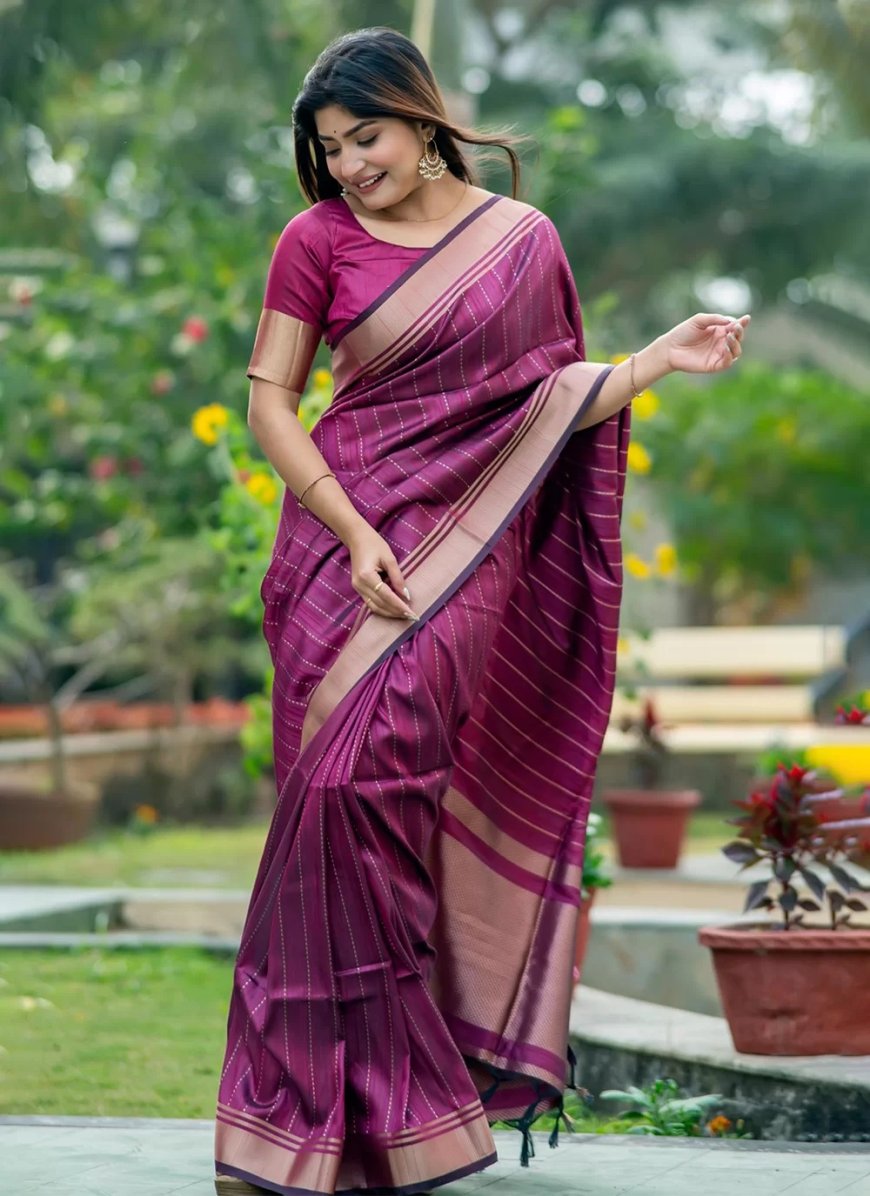
Tussar silk or Kosa silk offers a completely different look. Produced from wild silkworms found in the forests of Eastern and Central India, it possesses a unique natural gold tint and a rich, slightly coarse texture that feels grounded and organic. Because it doesn't have a blinding shine, Tussar is prized for its understated luxury. It is exceptionally breathable, making it comfortable for the Indian climate, and it serves as the perfect substrate for intricate hand-painted stories or traditional Kantha embroidery, appealing to those who prefer a more artistic aesthetic.
Muga
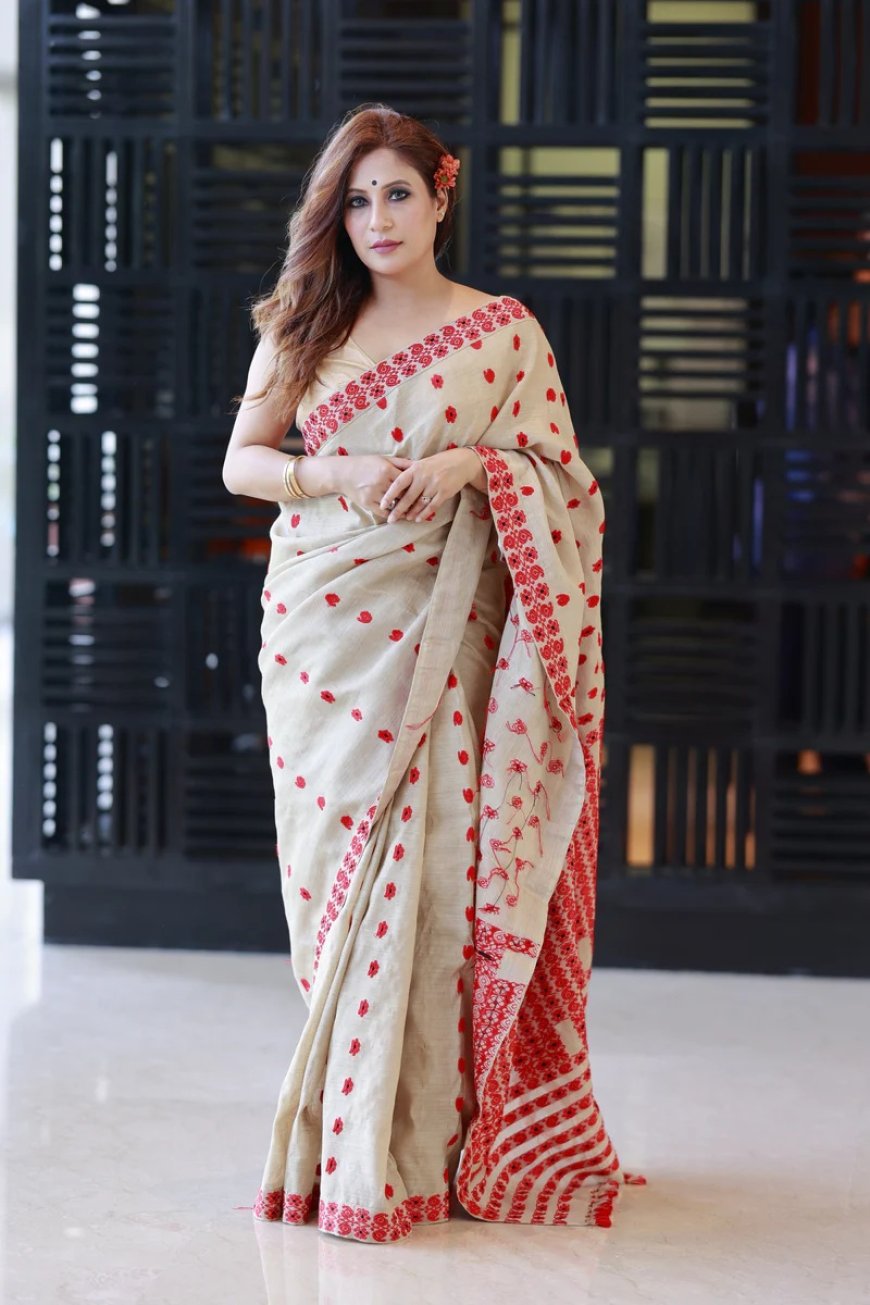
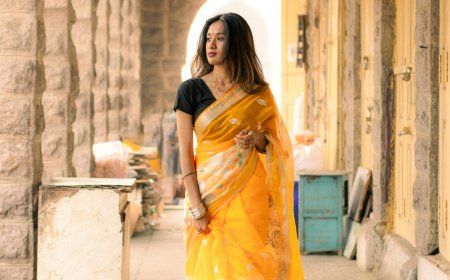
Exclusive to the state of Assam, Muga silk is one of the rarest and most expensive silks in the world. Its most fascinating quality is its natural, permanent golden-yellow glow, which requires no dye to achieve its brilliance. Muga is legendary for its longevity; it is famously said that a Muga saree will outlast its wearer, and its shine increases with every wash rather than fading. Often adorned with traditional Assamese embroidery like the mooga or japi, these sarees are incredibly lightweight, representing the pinnacle of Assamese heritage and high-status craftsmanship.
Disclaimer: At Happening Bazaar, we prioritise providing up-to-date information on the latest trends and goods in demand. This Article is written by our in-house editor and is in sync with the Google guidelines. We shall not be liable for any claim under applicable laws, including but not limited to the Consumer Protection Act, 2019, in respect to the products.
What's Your Reaction?
 Like
0
Like
0
 Dislike
0
Dislike
0
 Love
0
Love
0
 Funny
0
Funny
0
 Angry
0
Angry
0
 Sad
0
Sad
0
 Wow
0
Wow
0