





























































AI Transforming Healthcare Through Early Diagnosis and Intervention
Artificial Intelligence in healthcare is not only making technology better, but also delivering better results, making it more accessible, intelligent and responsive as a medical ecosystem
Vivek Kumar Srivastava
Artificial Intelligence (AI) is no longer a far-fetched buzzword in the medical field. It is transforming not only diagnosis but treatment as well. With more and more clinicians, researchers and hospitals using AI, many serious diseases are being detected at a very early stage.
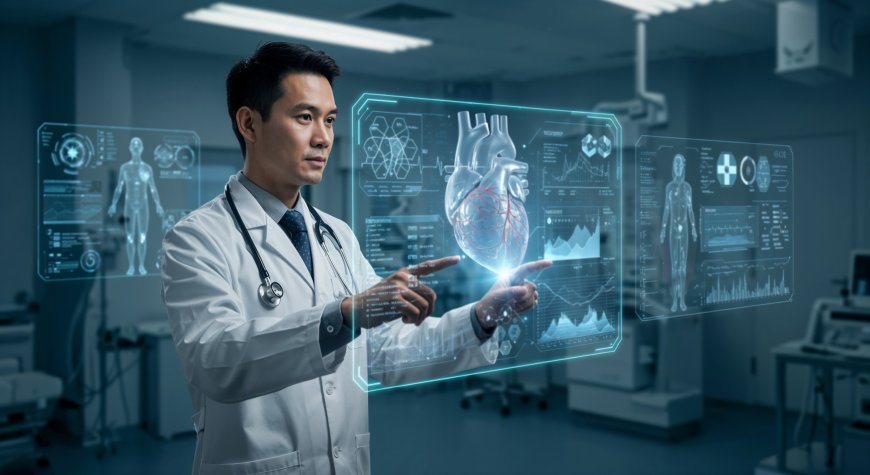
Hospitals in the United States are using new AI platforms to estimate the likelihood of breast cancer in the future through analysis of large sets of medical imagery and patient history. It is assisting in the detection of problems faster than traditional machines. In India, meanwhile, academic institutions have come up with custom AI systems that are showing high accuracy in detecting early-stage breast, cervical and lung cancers. This development is pointing to a superior diagnostics system within the healthcare sector.
AI isn’t limited to Oncology
Smartphone applications are being used to screen chronic respiratory diseases by recording patient’s coughs. These intelligent applications are currently being approved by large hospitals, providing fast outcomes. Moreover, clinics are opening AI-powered units that integrate genetic screening with predictive analytics to diagnose heart, kidney, and liver diseases more quickly and accurately. Robotic surgery systems are also being introduced to raise the accuracy of the procedures and shorten recovery periods.
Clinical Advances
Generative AI is speeding up drug research and development, shortening the research and development process. AI agents are relieving administrative pressures through automated workflow and documentation.
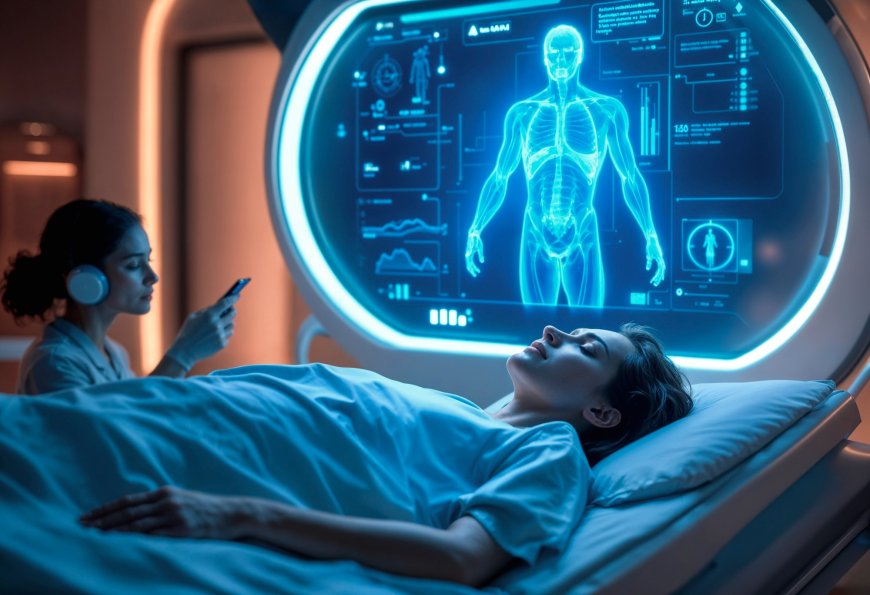
AI in healthcare is not only making technology better, but also delivering better results, making it more accessible, more intelligent and responsive as a medical ecosystem, utilising data and automation to save time, money and lives.
Smart AI-Integrated Devices
AI is also changing preventive healthcare outside the hospital and laboratory setting. Smart technologies are now in the form of wearable devices that monitor heart rate, sleep patterns, oxygen level, and other signs of stress to warn patients about a potential health concern before it escalates to higher levels.
AI applications provide screening of anxiety and depression by analysing speech and behavioural patterns. Health organisations and governments are applying big data analytics to forecast disease outbreaks, and medical resources are being distributed in a more effective way. All these advances are indicative of a healthcare future that is not merely reactive, but predictive and personalised.
What's Your Reaction?
 Like
2
Like
2
 Dislike
0
Dislike
0
 Love
0
Love
0
 Funny
0
Funny
0
 Angry
0
Angry
0
 Sad
0
Sad
0
 Wow
0
Wow
0