













































Delhi-NCR’s Cultural & Arts Complex Triveni Kala Sangam Turns 75
Through a series of cultural programmes from February 27 to March 15, 2026, Triveni Kala Sangam at Mandi House, New Delhi, is reliving and sharing its 75-year glorious journey with the art-loving populace of Delhi-NCR
Sonal Chikara
Mandi House has been a long-standing cultural oasis of Delhi, and Triveni Kala Sangam has been one of its brightest flowers. Its corridors, galleries and open spaces have for generations witnessed great masters showcasing and sharing their art.
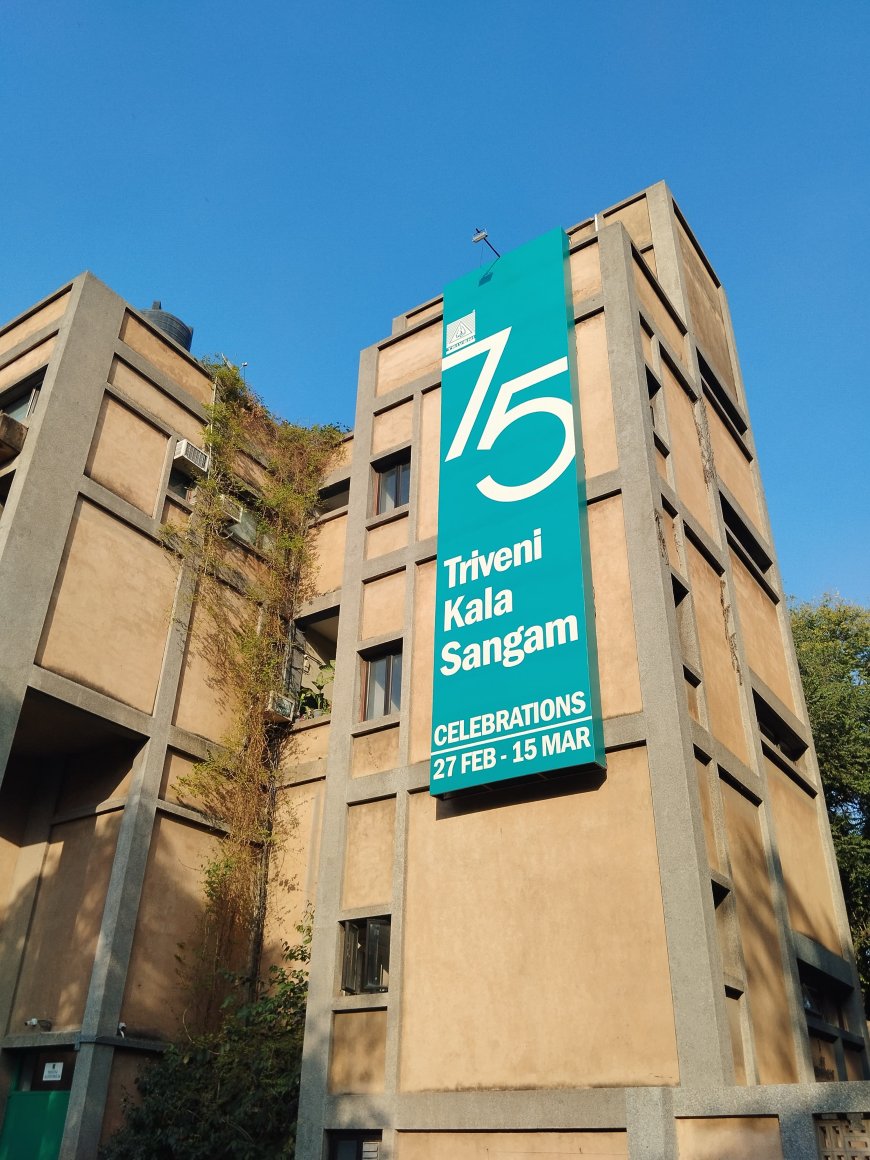
As it completes 75 years of existence, Triveni Kala Sangam at Tansen Marg, Mandi House, New Delhi, one of India’s leading non-profit cultural institutions dedicated to visual and performing arts, is reliving and sharing its glorious moments with the art-loving populace of Delhi NCR through celebrations from February 27 to March 15, 2026. The exhibition features performances by eminent artists, talks, art and craft showcases, and lively public events.
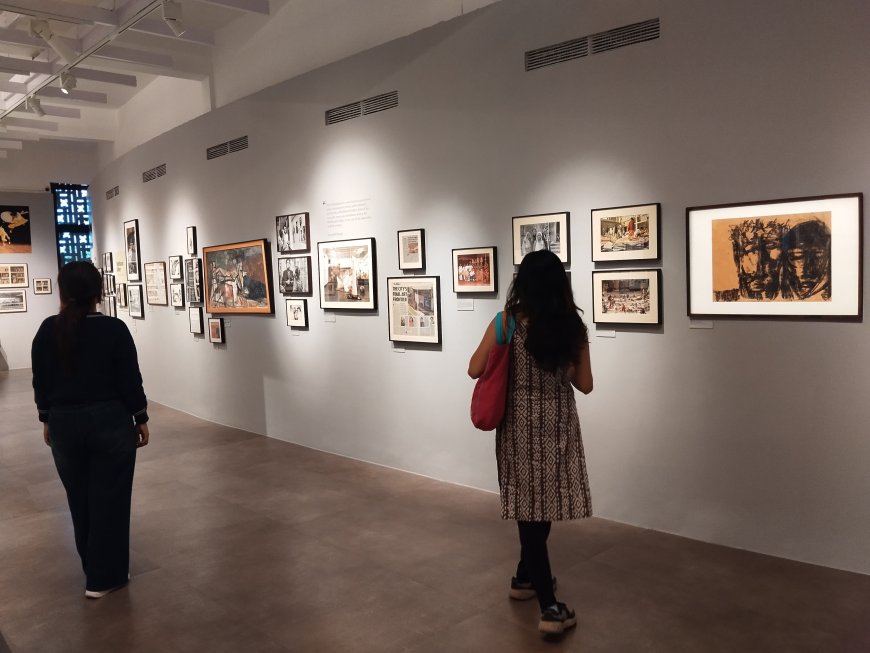
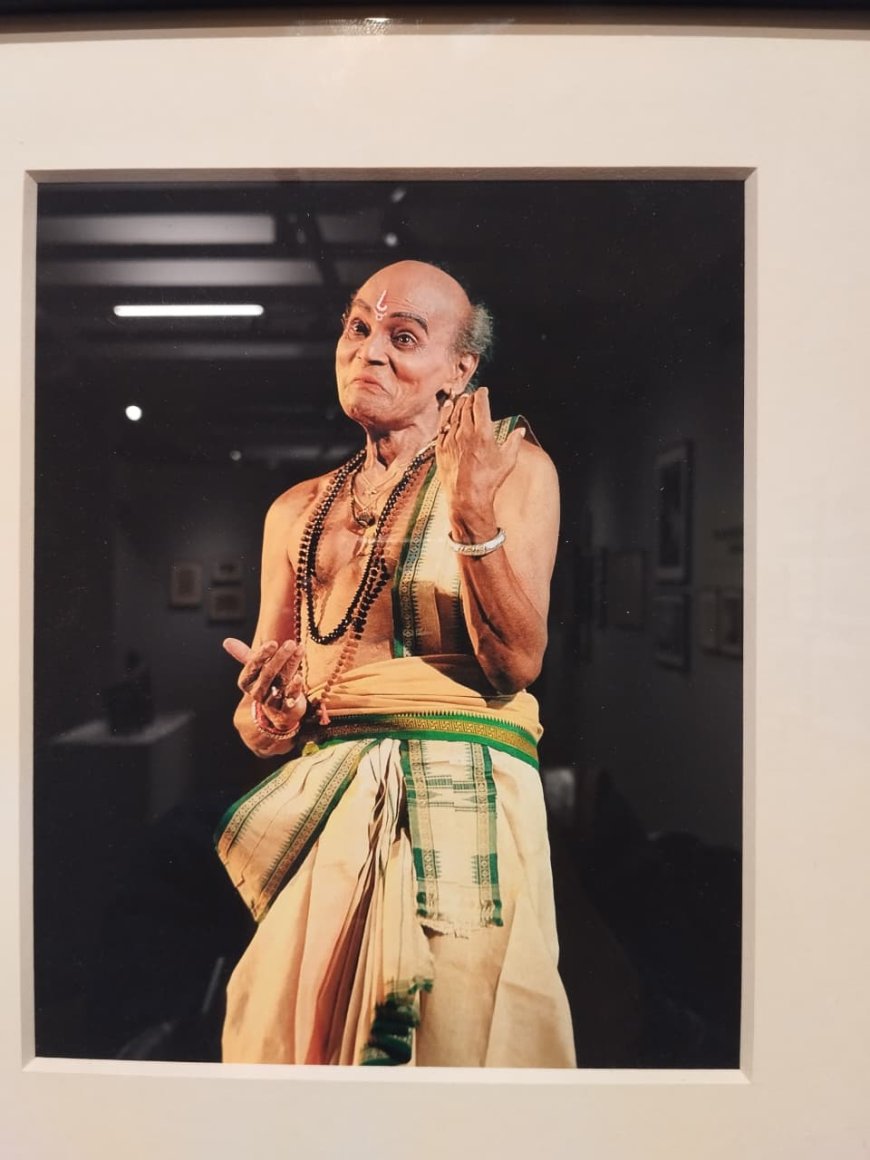
Over the decades, the institution has hosted and nurtured some of the most iconic artists of our time. Modern masters such as M.F. Husain, Krishen Khanna, Vivan Sundaram and Raghu Rai, jazz legend Duke Ellington, Odissi legend Guru Kelucharan Mohapatra, Kathak legend Birju Maharaj, dancers including Hema Malini and Indrani Rahman, musicians such as sitar maestro Ravi Shankar and theatre figures including Ebrahim Alkazi, Sheila Bhatia, Anuradha Kapoor, Om Puri, Habib Tanveer and Naseeruddin Shah.
The Making of Triveni
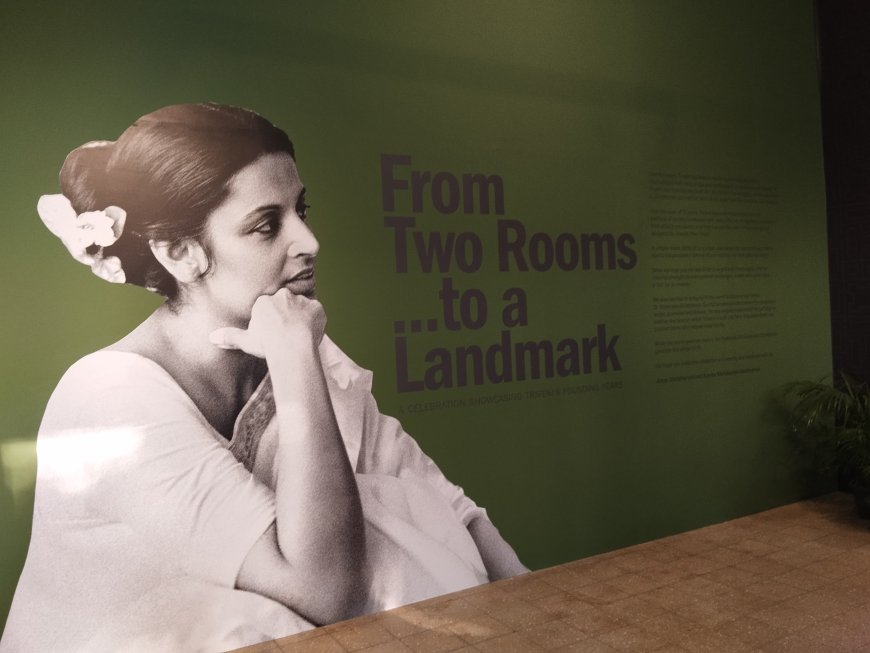
Seventy-five years ago, a dream took root in the heart of a young, newly married woman —Sundari Shridharani, a prolific dancer. She began Triveni in two modest rented rooms at Connaught Place in central Delhi, with just two students and the support of a friend who had leased the space to her. Her efforts soon drew attention. In 1950, when the Nehru government began allotting plots for emerging cultural institutions, one such plot on Tansen Marg was granted to Triveni.
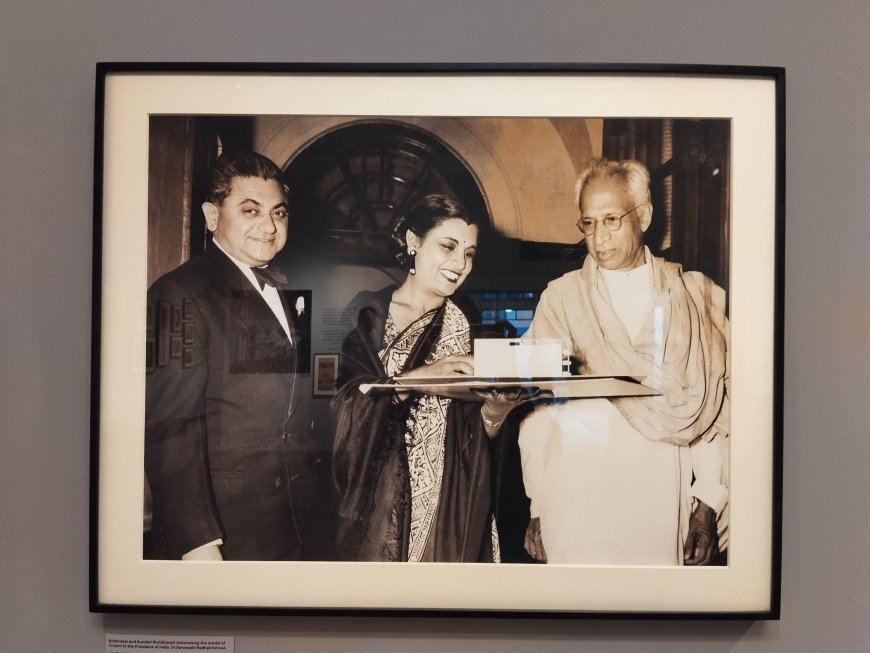
Gradually, Sundari began raising funds. Five years in the making, the new Triveni soon blossomed into a vibrant gathering place for artistes, with its open-air amphitheatre becoming the heart of the complex.
She also began organising concerts. It was here that Habib Tanvir’s celebrated productions Charandas Chor and Agra Bazar, along with Sheila Bhatia’s Punjabi opera Chann Badlan Da, found an eager audience. In the years that followed, theatre figures Sai Paranjape, Amol Palekar and Rajendra Nath brought their productions to its stage, converting Triveni into a rich cultural landmark of the city.
And this is how this institution grew into the iconic landmark at Mandi House known today as Triveni Kala Sangam.
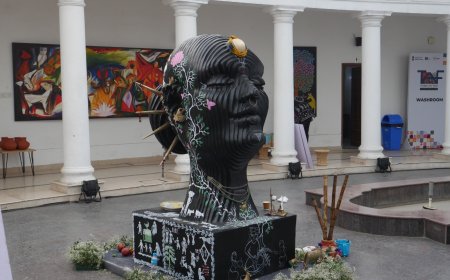
The complex has four art galleries, a chamber theatre, an outdoor theatre and an open-air sculpture gallery. Besides this, it also runs various art, music and dance classes. The campus was designed by noted American architect Joseph Allen Stein, who also designed several important buildings in New Delhi, including the India International Centre and the India Habitat Centre on Lodhi Road.
The Festival Calendar
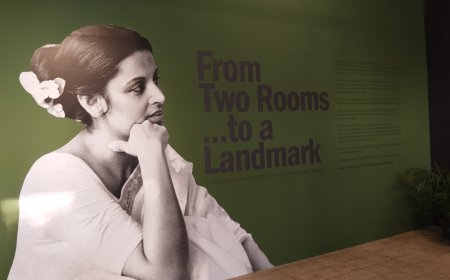
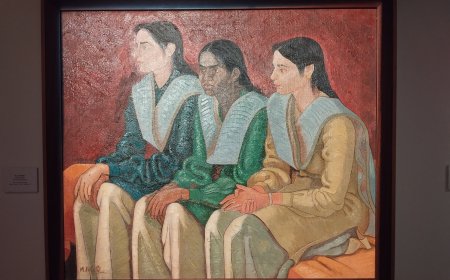
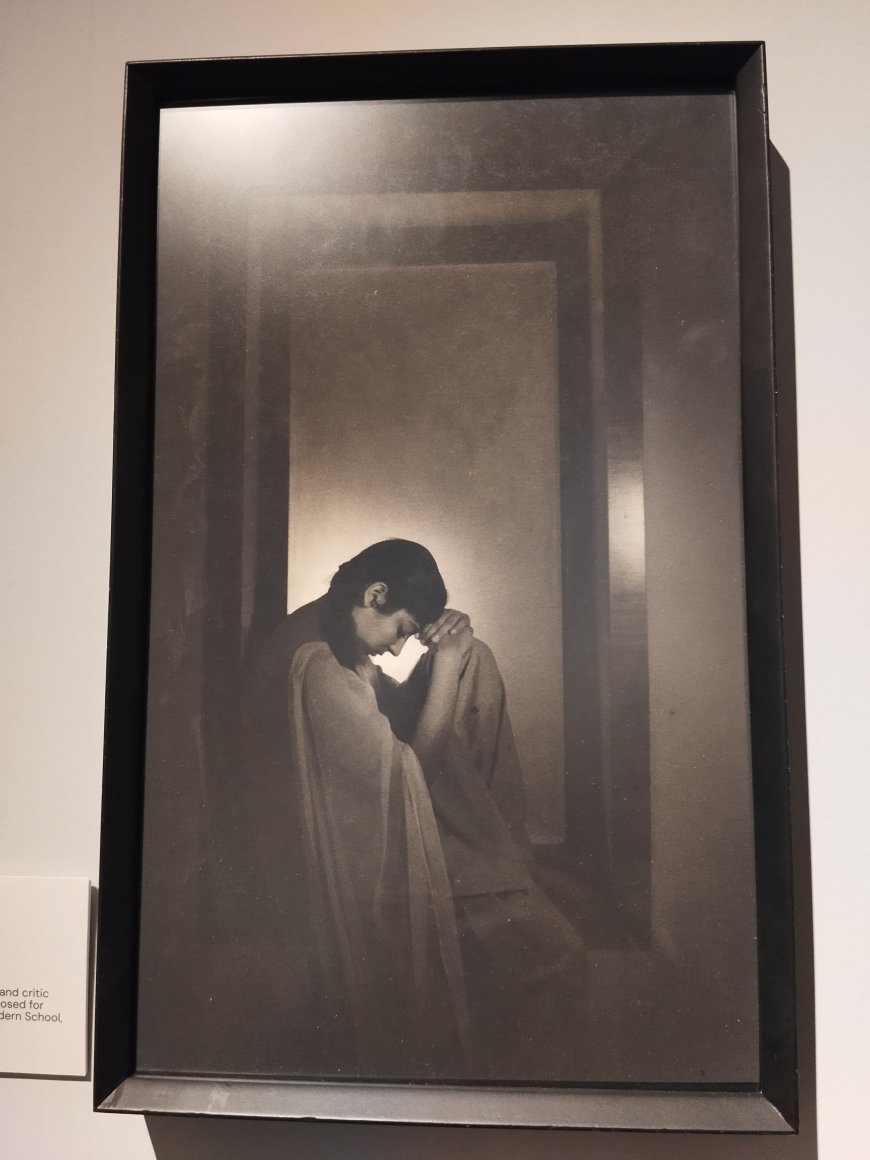
Celebrating this enduring legacy, the 75th anniversary unfolds through a thoughtfully curated series of events. The commemorative festival is anchored by the ongoing exhibition (February 27 to March 15, 2026) "From Two Rooms… to a Landmark", presenting rare photographs, documents and narratives from Triveni's founding decades and its evolution within Delhi's post-Independence cultural sphere.
Adding a touch of nostalgia is the revival of Triveni’s iconic cafe culture through a special Heritage Menu (February 23–March 15), evoking memories of the vibrant 1960s Tea Terrace. It was here that artists, writers and students shared tables with creative giants like M. F. Husain, dancer Narendra Sharma, theatre figure Om Shiv Puri and Yamini Krishnamurthy, turning the cafe into a rare, democratic hub of conversation and creativity.
Beyond the above-mentioned events, the programmes also include:
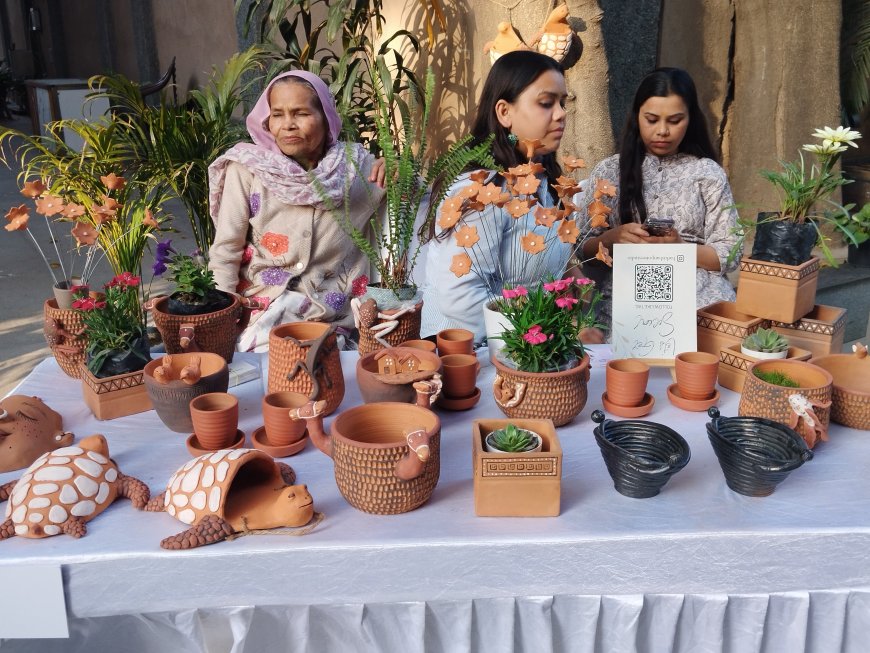
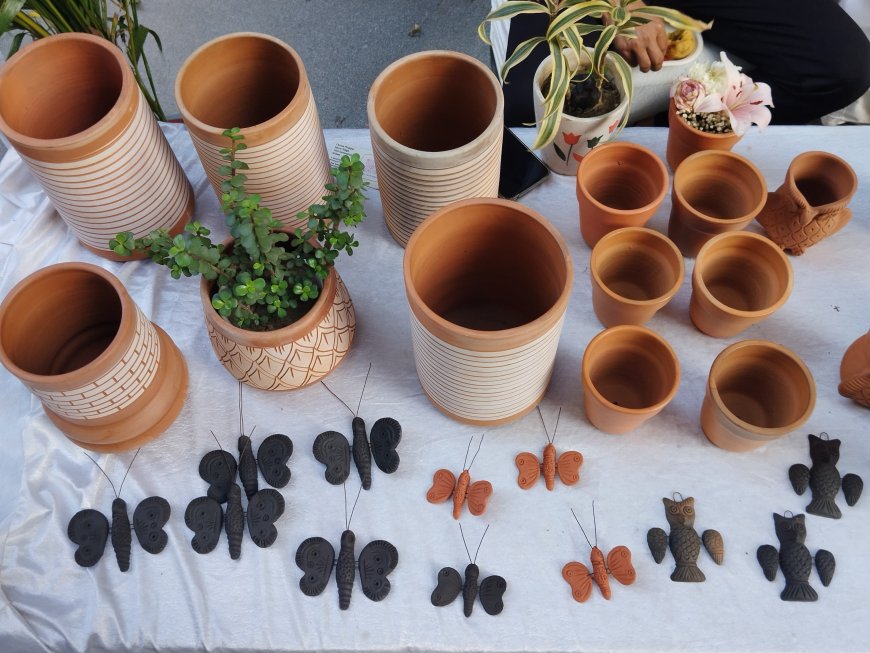
- Ceramic Spring Fest (March 5-8) at the Sculpture Court
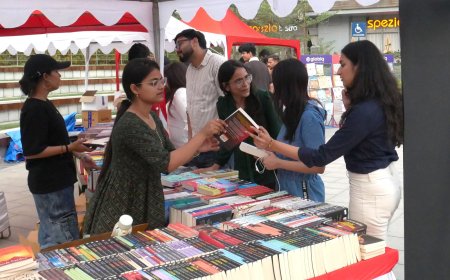
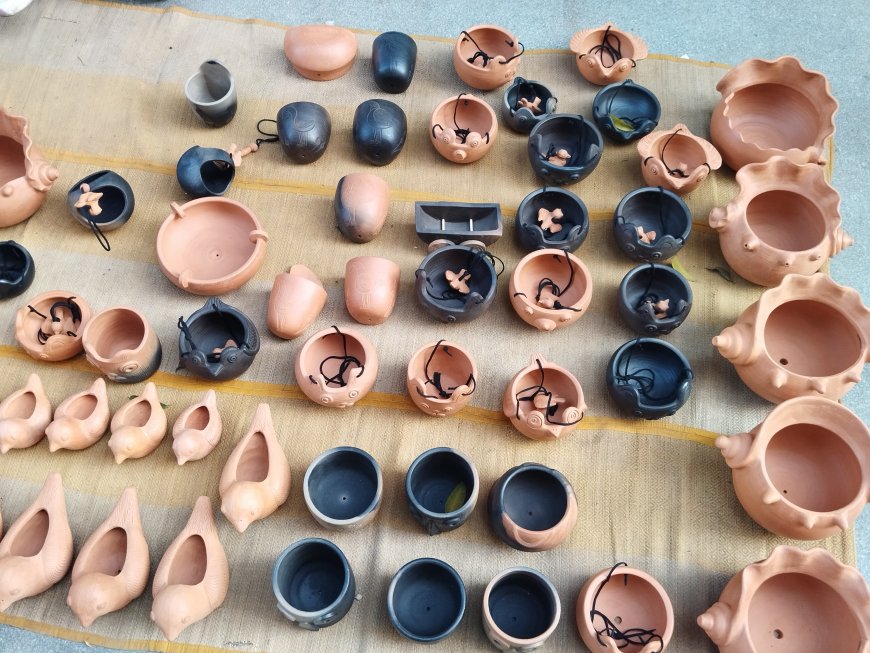
- Tilonia Bazaar (March 12-March 15) at the Sculpture Court
- Delhi’s premier choir, The Capital City Minstrels, presents an evening of its celebrated repertoire at the Amphitheatre (March 15)
- “Antariksha Sanchar – The Evolution of Flight & Aircraft” at the Amphitheatre (March 7), tracing the journey from mythological vimanas to modern aviation
- “The Rhythms of Indian Classical Dance meets the Art of Brazilian Football” at the Amphitheatre (March 8), an experimental fusion of classical dance and global sport.
- “Andha Yug” at the Auditorium (March 13), Dharamvir Bharati’s iconic anti-war play by Asmita Theatre Group
- “Barbaad” at the Amphitheatre (March 14), a Hindi adaptation directed by Feisal Alkazi on conflict and survival
- “Court Martial” at the Auditorium (March 15), an intense courtroom drama by Asmita Theatre Group exploring power and justice
- “The Importance of Being Triveni”, a theatre conversation (March 12) between noted director and educator Feisal Alkazi and journalist Mandira Nayar.
- “Working with Stein – The Inside Story” (March 14) is another compelling session where architects Sudhish Mohindroo and Meena Mani revisit their formative years with the legendary Joseph Allen Stein, reflecting on the making of the Triveni campus.
The celebrations are open to the public, with free entry for all.
What's Your Reaction?
 Like
1
Like
1
 Dislike
0
Dislike
0
 Love
0
Love
0
 Funny
1
Funny
1
 Angry
0
Angry
0
 Sad
0
Sad
0
 Wow
0
Wow
0