

























































What’s On Your Plate? Inside the Ultra-Processed Food Debate
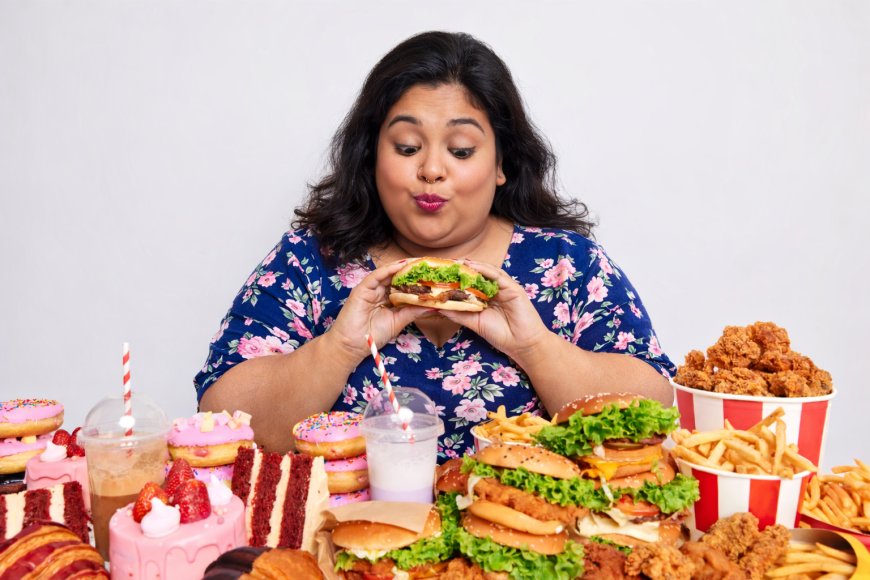
Ultra-processed foods are heavily modified, factory-made products created using refined ingredients like sugar, salt, oil and a range of additives, artificial flavours, colours, emulsifiers, sweeteners, and preservatives with little to no real, whole food left in them.
Sonal Chikara
“During my hostel days in college, instant noodles were my go-to meal. But because of continued consumption of highly processed food, I had stomach aches and skin allergies,” says Khushi Dixit, a resident of Sector 70, Noida.
Health experts say such experiences are not uncommon. Sonika Chaudhary, Diabetes Educator, Renal & FODMAP Diet Specialist and Chief Dietitian of a prominent hospital in Noida, says, “Ultra-processed foods are bad for our health due to their poor nutritional profile and the way they are engineered to encourage overconsumption.”
Research also points in the same direction. A 2026 study, “Ultra-processed foods consumption associated with food addiction in Chilean young adults”, published in National Library of Medicine, revealed that nearly 17.4% of young adults studied showed signs of food addiction, with a strong link to increased intake of ultra-processed foods.
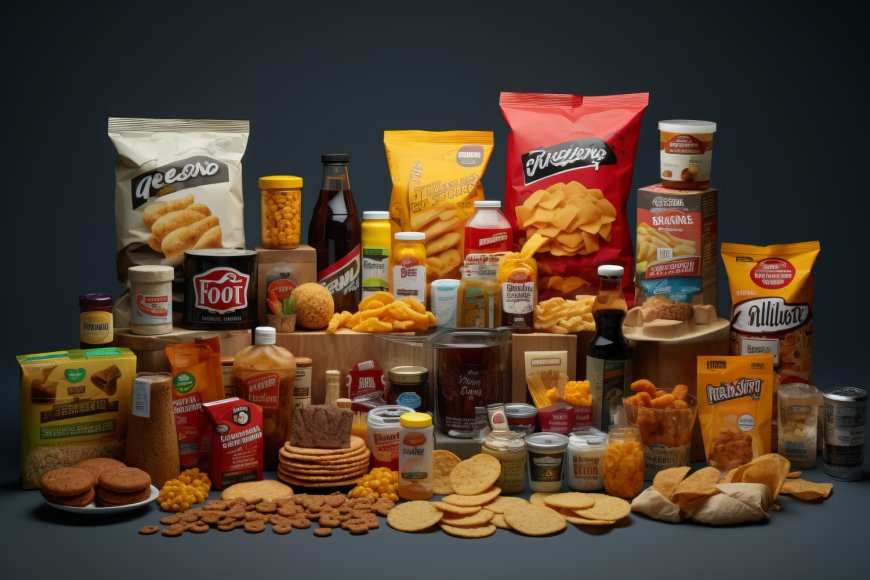
Packaged snacks and sugary beverages such as chips, candy, soft drinks, instant oatmeal, noodles, biscuits, cookies, ice-cream or even packaged hot dogs are convenient, tasty and everywhere around us — making them easy to consume and without much thought.
Let’s understand how these food items are prepared.
Three Levels of Food Processing
Food processing simply means altering food from its natural form to make it last longer, safer to eat, tastier, or sometimes even more nutritious through methods such as freezing, fermenting, pasteurising, canning and drying.
2. Processed food
3. Ultra-processed food
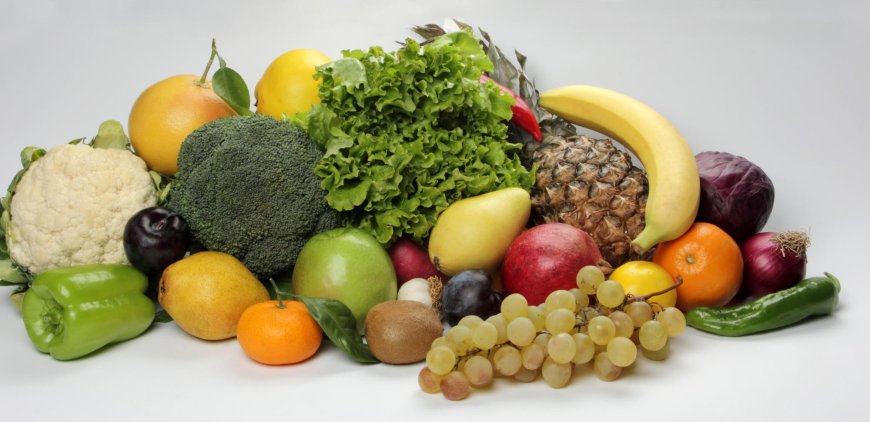
Fresh seasonal fruits, vegetables, beans, whole grains such as rice, millets, quinoa, pulses, seeds, fresh milk and plain curd are all unprocessed food. If they have gone through basic processes like washing, peeling, freezing, pasteurising and packaging, then it is called minimally processed foods.
Processed food such as packaged bread, cheese, roasted nuts, pickles, butter, packaged paneer, flavoured yoghurt, canned vegetables and fruits largely resemble their original form.
Now, let’s address the elephant in the room: Ultra-processed food.
What are Ultra-processed foods?
“These foods are mainly designed for convenience, taste, longer shelf life rather than nutritional value,” says dietician Chaudhary.
Decoding the Label: How Processed Is Your Everyday Breakfast?
You generally wake up, rush to the kitchen, and grab what’s ready to eat — a bowl of cornflakes, two slices of bread with butter and maybe a packet of biscuits with chai. Sounds normal, right?
But have you ever stopped to check if your “convenient” morning staples fall under the category of processed or ultra-processed foods?
Instant Noodles
If you are one of those whose morning breakfast is a steaming bowl of noodles, you should know that despite the less preparation time of noodles, it is highly processed and contains refined flour (maida), preservatives, flavour enhancers, and has high sodium levels, which may spike blood pressure and increase the risk of diabetes.
Instant Poha
Instant poha mixes are also ultra-processed due to preserving agents, dehydrated veggies, refined oils, and taste enhancers. It tastes good, but it is not healthy as marketed.
It is a common quick breakfast for many urban corporate employees, mainly because they have little time to cook in the morning. However, white bread is usually made from refined flour (maida) and often contains preservatives. Jam also contains high amounts of added sugar along with stabilisers.
Biscuits and Cookies
These quick, delicious snacks enjoyed by millions have a different story to tell about their nutrition breakdown. These are also ultra-processed, made from refined flour, sugar, hydrogenated fats, and artificial flavours.
Chaudhary says, “Plain oats are better than flavoured ones.” These breakfast options are marketed as “healthy”, but still ultra-processed and contain additives. “These can be used occasionally, but should not replace whole, minimally processed foods,” says she.
Why are ultra-processed foods bad for us?
Ultra-processed foods may be convenient and tasty, but regular consumption can take a toll on health. Chaudhary says the concern is not just about a single ingredient, but a combination of excess sugar, unhealthy fats, refined carbohydrates, high sodium and artificial additives often found in these foods.
These foods often trigger the urge to overeat. They may satisfy hunger quickly, but the feeling of fullness usually doesn’t last for long. When consumed frequently, they can gradually replace healthier options in our diet and affect overall health.
You must have noticed that whenever you switch to cold drinks and packaged potato fries, you tend to eat more — often without realising it. Regularly consuming deep-fried and heavily preserved foods can gradually lead to stomach discomfort, digestive problems, acidity, skin allergies, and several other health issues over time.
“Regular intake of ultra-processed foods is linked to weight gain, insulin resistance, poor muscle recovery and chronic fatigue,” says Chaudhary. According to her, ultra-processed foods are calorie-dense but nutrient-poor, which negatively affects metabolism, endurance, and overall fitness levels.
Besides the above curable health concerns, there are some major diseases which lead to these deteriorated health conditions in the long run:
1. Obesity
2. Type 2 diabetes
3. Cardiovascular diseases such as heart disease, stroke, hypertension
4. Cancer (Breast and colorectal)
5. Kidney issues
6. Inflammatory bowel diseases (IBD)
“Whenever I start eating packaged or oily street food regularly, I begin facing health problems such as stomach pain, skin allergies and acne,” says Khushi. In the past, she even suffered from food poisoning due to her poor eating habits. “This made me realise how sensitive my body is to ultra-processed food,” she adds.
It may be mentioned here that ultra-processed foods affect several aspects of overall health. Their low fibre content may harm gut health by reducing the good bacteria that support digestion and immunity. Over time, regular intake may even contribute to sleep disturbances.
Cutting down on ultra-processed foods doesn’t mean changing your entire diet overnight — small, practical steps can make a big difference. According to dietician Chaudhary, the goal is not perfection, but keeping ultra-processed foods as an exception rather than a routine.
She suggests the following tips that will help you gradually reduce your consumption:
1. Read the nutrition label - Check the ingredient list before buying packaged food. If the list is too long, full of unfamiliar names, or high in the 3 S’s — sugar, salt and saturated fat — it is likely ultra-processed.
2. Choose plain over flavoured - Instead of flavoured yoghurt loaded with sugar, go for plain yoghurt or curd and add your own fruits or vegetables.
3. Swap your snacks - Try chickpea chaat, makhana chaat, or a handful of nuts with roasted chana instead of chai with biscuits, instant noodles or bread with jam.
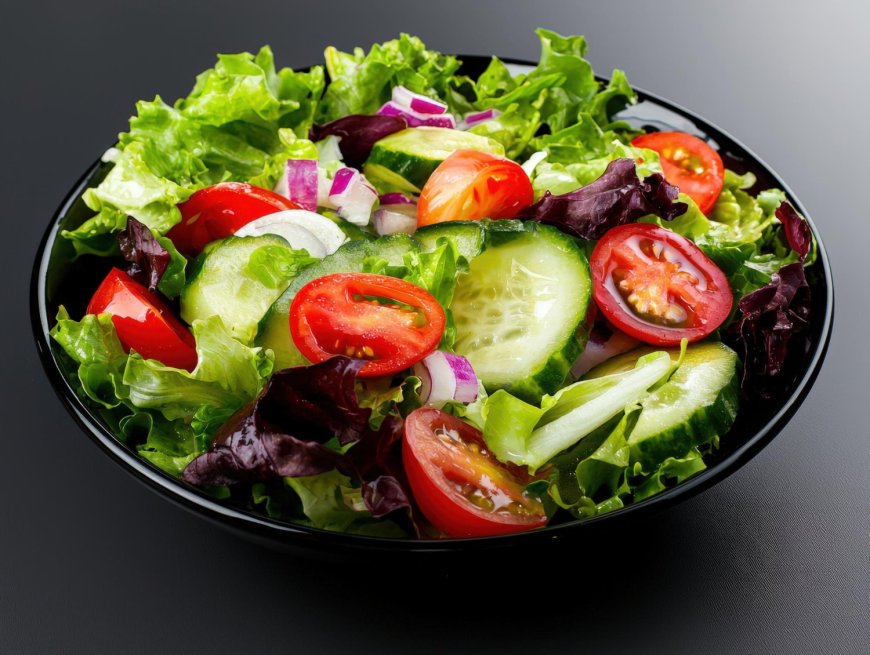
4. Add more fresh food - Include salads with at least two meals and eat fruits as a midday snack to boost your daily fibre intake.
5. Prioritise whole foods. Build your meals around vegetables, fruits, pulses, nuts and simple home-cooked dishes.
6. Cook more at home. Whenever possible, cook from scratch using fresh ingredients instead of packaged options.
What's Your Reaction?
 Like
0
Like
0
 Dislike
0
Dislike
0
 Love
0
Love
0
 Funny
0
Funny
0
 Angry
0
Angry
0
 Sad
0
Sad
0
 Wow
0
Wow
0