





























Delhi Silpi Chakra: The Longest-Running Art Collective You Should Know About
The exhibition "Drawing a Nation — The Delhi Silpi Chakra" is on view at 22A Windsor Place, Janpath, New Delhi from February 7-March 21, 2026
Sonal Chikara
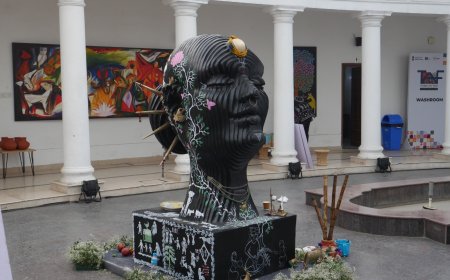
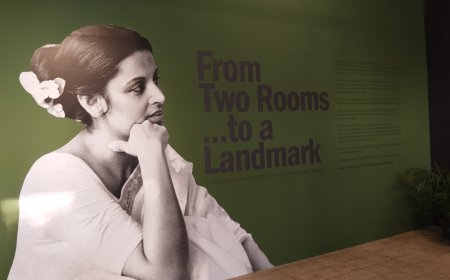
A little over a century ago, art stopped following rules and began asking questions — marking the birth of Modern Art. This legacy comes alive in the exhibition “Drawing a Nation — The Delhi Silpi Chakra”, on view at 22A Windsor Place, Janpath, New Delhi from February 7-March 21, 2026. For modern art lovers and gallery-goers, this exhibition is not to be missed, as it promises both nostalgia and discovery.
To understand this legacy, one must look at the collective behind it. Every city has its own chapter in the story of modern art — and for Delhi, that chapter is the Delhi Silpi Chakra. Under the motto, “Art Illuminates Life”, the Delhi Silpi Chakra has been active since March 25, 1949. It is India's longest-running and most influential artist collective, bringing together progressive artists who wanted to move beyond colonial academic styles and rigid traditional frameworks. Much like the Progressive Artists' Group in Bombay, it created a platform for innovation, dialogue, and contemporary expression.
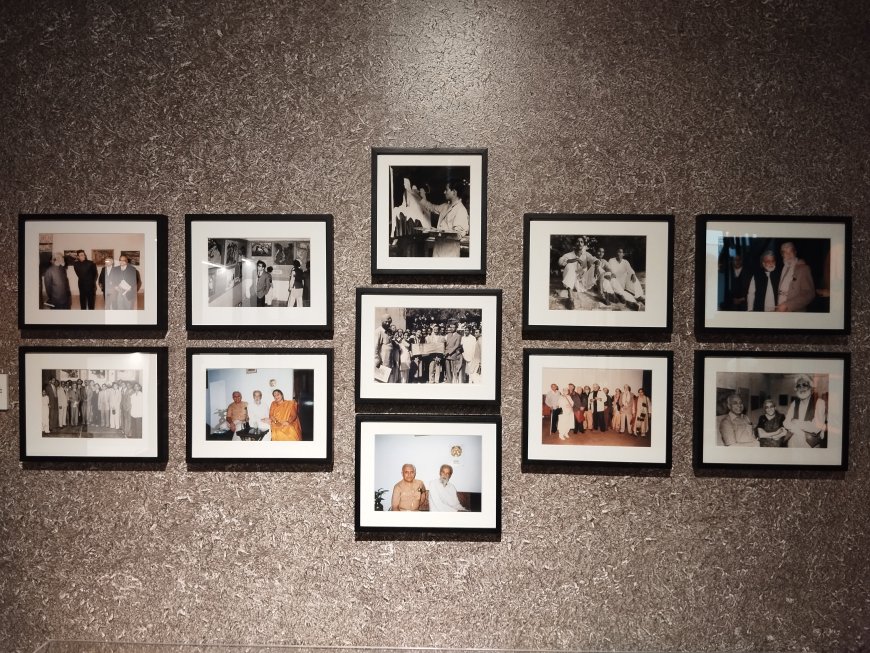
It was formed by refugee artists—B.C. Sanyal, P.N. Mago, Kanwal Krishna, K.S. Kulkarni and Dhanraj Bhagat, who migrated from Lahore, Pakistan, after partition. They were unhappy with the institutional conservatism of All India Fine Arts and Crafts Society (AIFACS), then the city’s dominant art body, and wanted to create an independent platform that encouraged freedom and conversation at a time when Delhi lacked a strong cultural infrastructure.
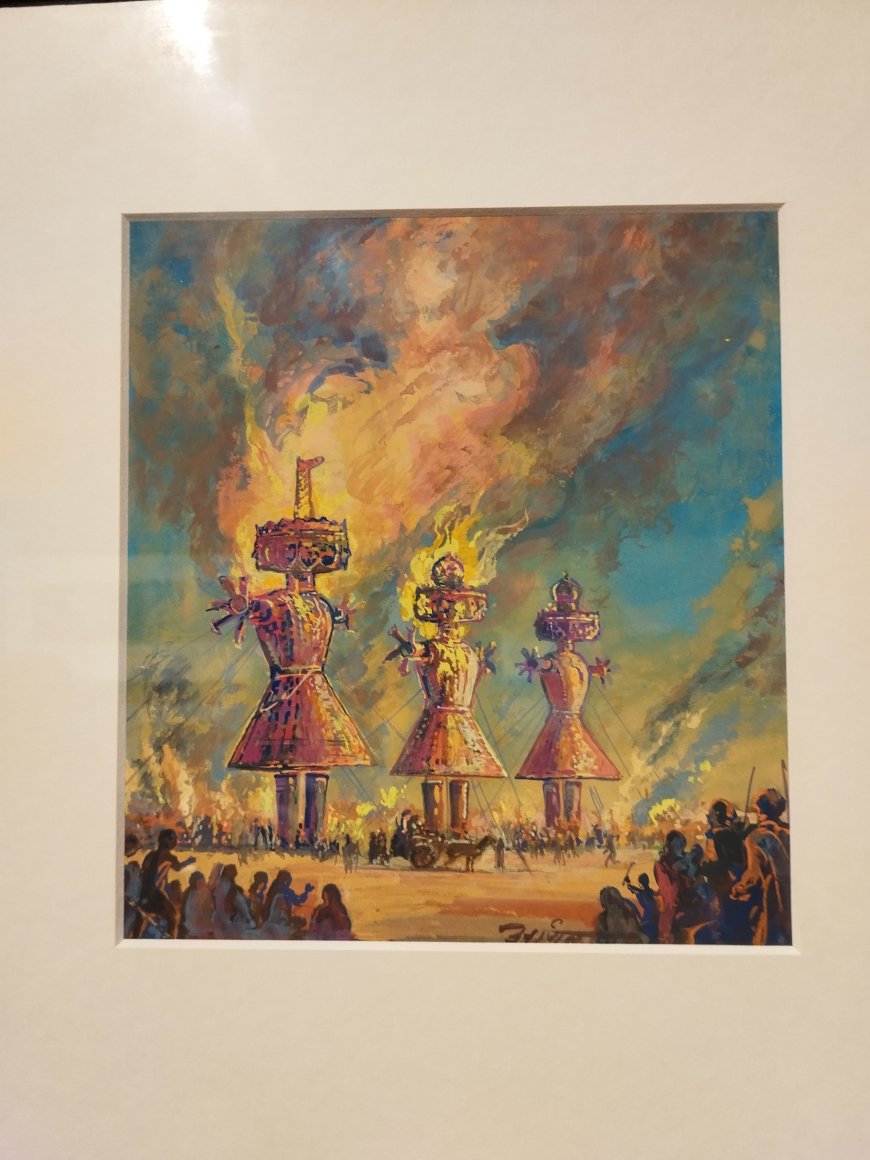
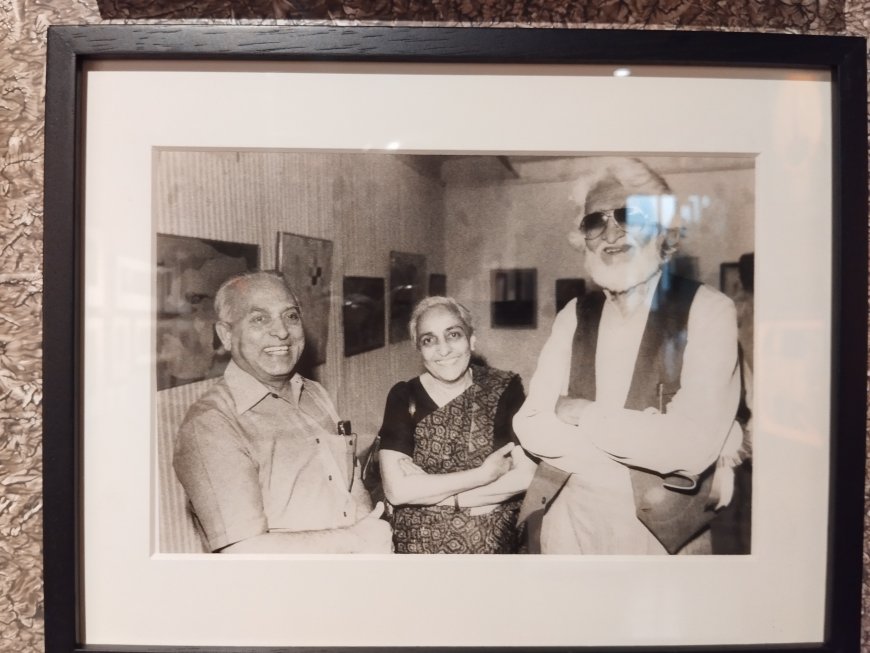
Later joined by other prominent figures, such as Devayani Krishna, Amar Nath Sehgal, K. C. Aryan, Ram Kumar and Satish Gujral, were not just creating art—they were reshaping the way it was seen and shared. Together, they built the spirit and structure of the Chakra collective, turning it into more than just an artists’ group. They organised workshops, exhibitions, lively discussions and public forums, bringing writers, scholars and performers into meaningful conversation with visual art.
Their now-legendary mohalla exhibitions in Karol Bagh took art beyond gallery walls and into neighbourhood spaces. Live demonstrations of watercolour painting techniques, fresco painting and clay modelling made the creative process visible and accessible.
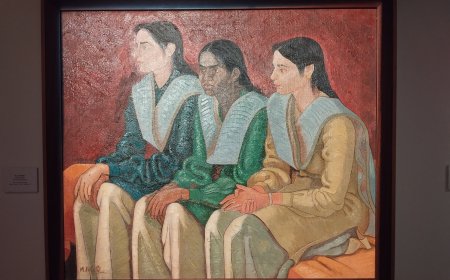
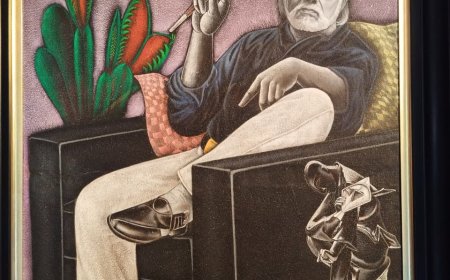
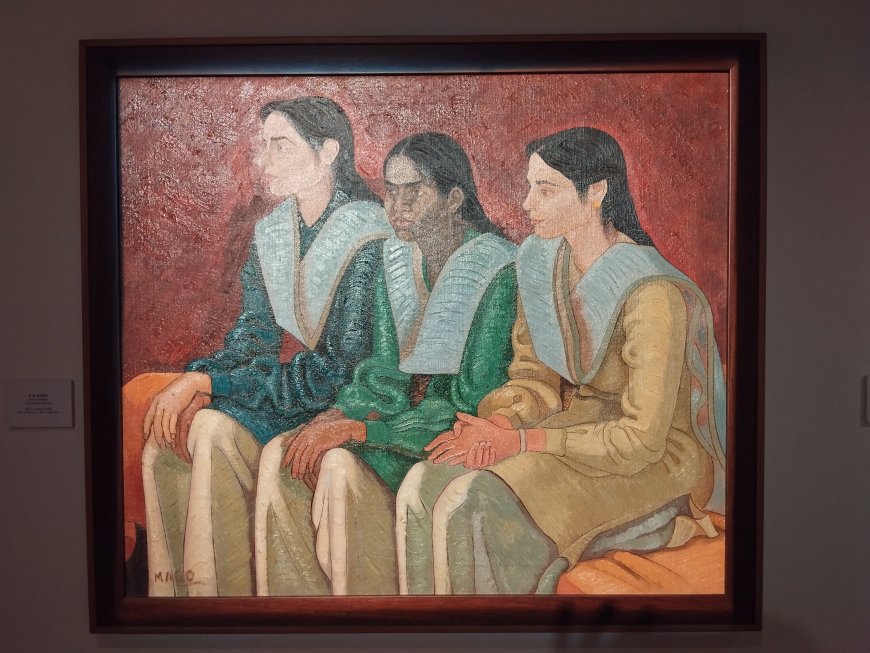
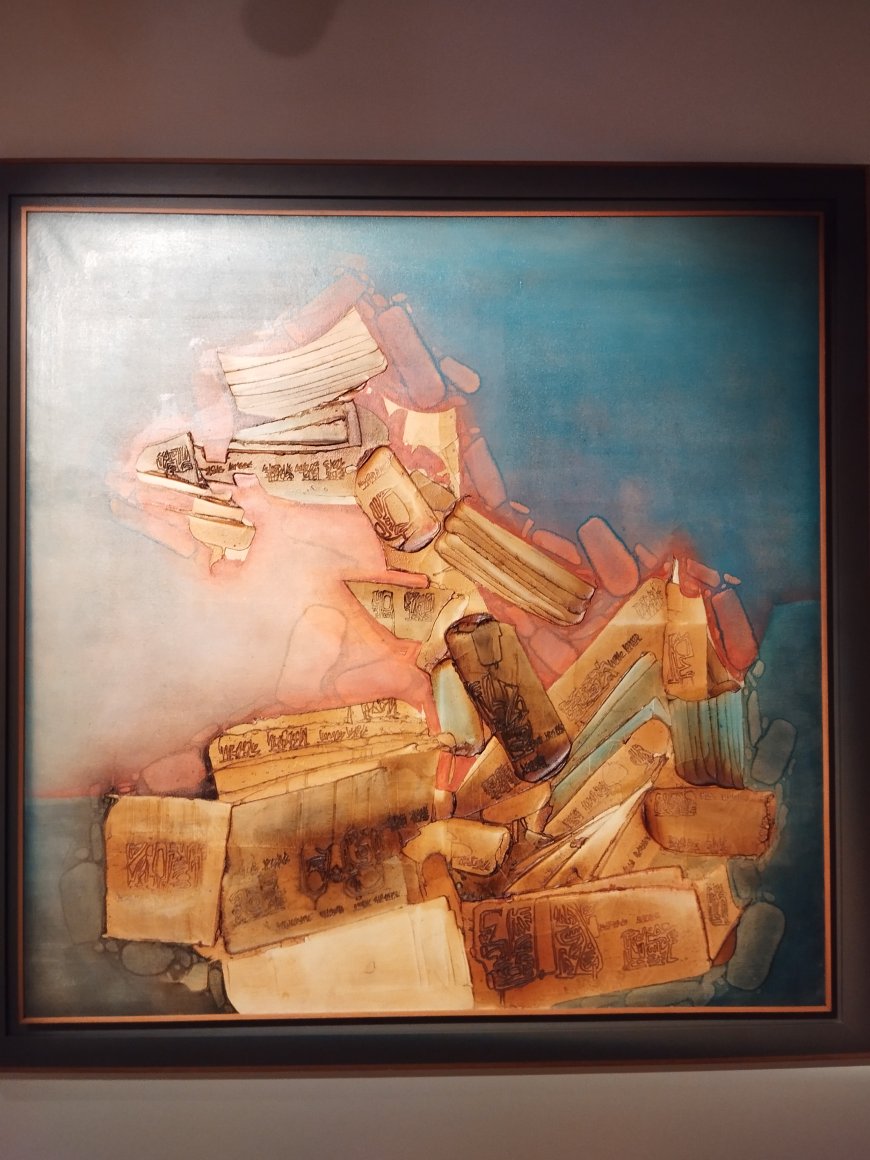
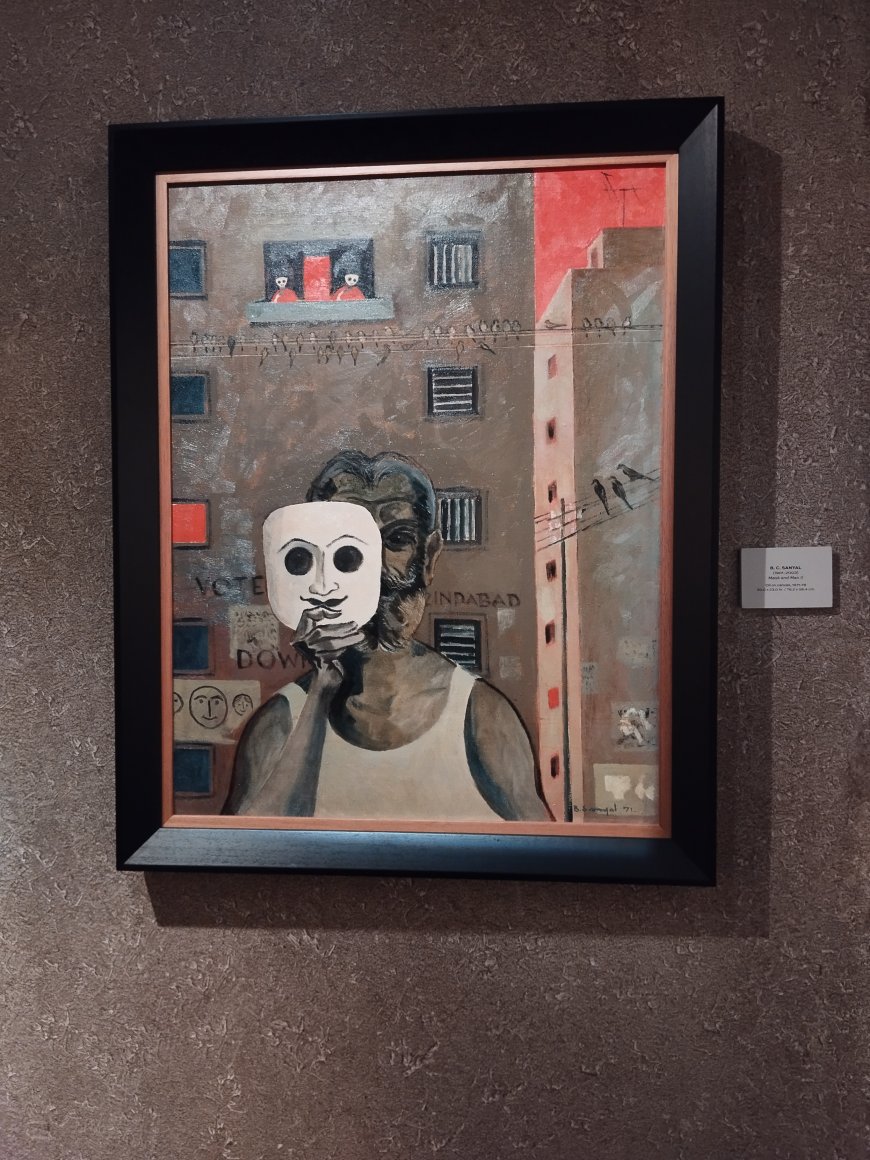
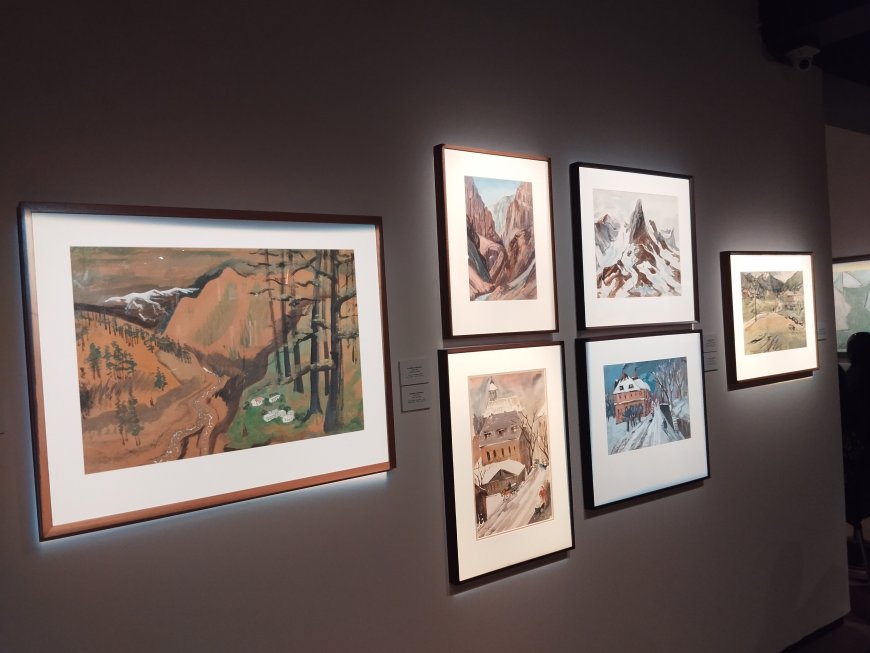
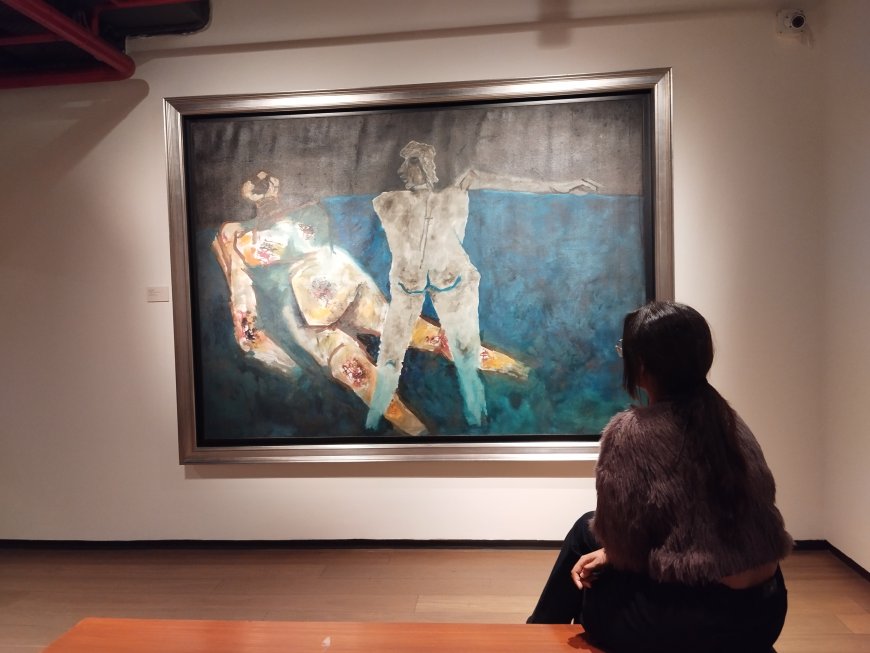
The exhibition featured works by artists including Amarnath Sehgal, Arpita Singh, Ramgopal Vijaivargiya, B.C. Sanyal, Devayani Krishna, J. Swaminathan, K.S. Kulkarni, Nand Katyal, Paramjit Singh, Ram Kumar, Rameshwar Broota, Kanwal Krishna, P.N. Mago, Dhanraj Bhagat, Jagmohan Chopra, Avinash Chandra and Satish Gujral. Paintings displayed on the walls included K. S. Kulkarni’s Going Away From Him, B.C. Sanyal’s Mask and Man II, P.N. Mago’s Midday Story and The Three Sisters, Indra Dugar’s Through Green Hills of Rajgir, along with sculptures such as B. C. Sanyal’s Shrouded Woman.
A Panel Discussion on India’s Modern Art Journey
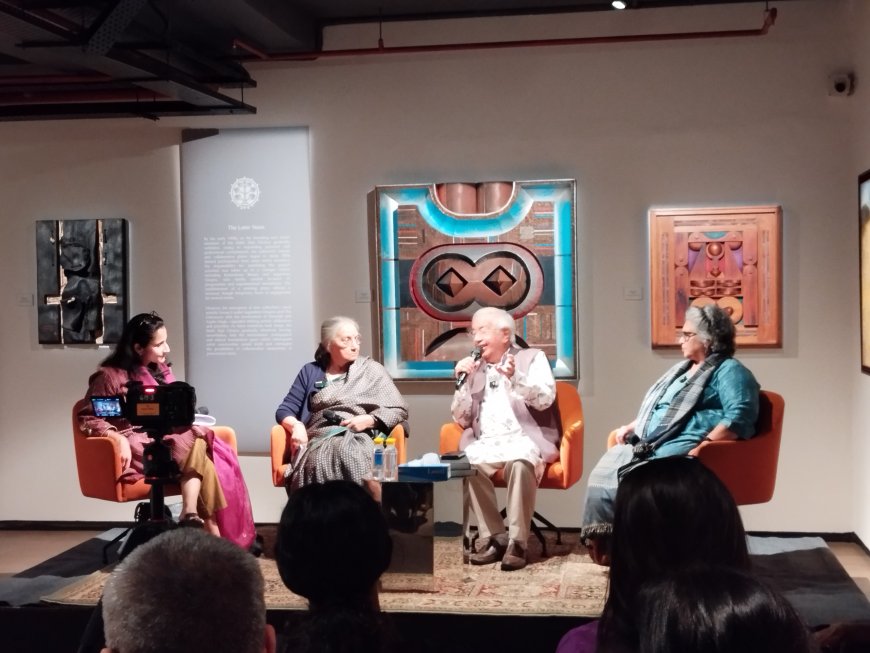
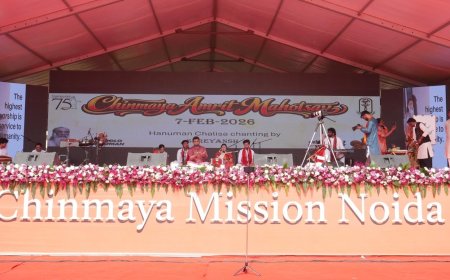
Vandana Kalra opened the discussion by recalling how, in 1947, as India gained Independence, Delhi was absorbing the trauma of partition and rebuilding itself culturally, emotionally and physically. She noted that the artists did not initially come together simply to exhibit, they came together to begin conversations — to create a dialogue with people.
Sharing his first encounter with modern art, Ashok Vajpeyi said, “I was a 17-year-old lad from a small town in Delhi for just four days, when two poet friends took me from the Janpath coffee house to a Shilpi Chakra show at Shankar Market. I knew Ram Kumar as a Hindi writer, but what struck me was the sheer mix of people — writers, theatre artists, thinkers. It was my first real shock.”
From personal memory, the conversation moved to Delhi’s larger role in shaping post-Independence artistic expression.
“Delhi is an exciting location for artists to come to,” said scholar Shukla Sawant. She explained that while cinema and theatre took time to process the trauma of partition, visual artists responded almost immediately. Artists like S.L. Parashar and Dhanraj Bhagat captured grief and violence through their works. Echoing this, Mridula Vichitra observed that art becomes a powerful medium through which artists express their deepest emotions and lived experiences. Speaking about the importance of an artist’s first work, she says, “The first sketch is very important for an artist.”
The discussion then moved to the role of institutions in shaping art. Offering a candid perspective, Ashok Vajpeyi spoke about how institutions in India are often built with passion but struggle to survive due to a lack of professional inheritance. “We are very ungrateful people. We seldom pause to remember what institutions have achieved by coming together,” he says.
The panel also touched upon the significant presence of women artists within the collective — as teachers, painters and administrators. The discussion concluded by noting that while the PAG existed for less than a decade and held only a couple of exhibitions, the Delhi Silpi Chakra survived far longer than most artist collectives of its time.
By the close of the evening, it stood as a thoughtful reminiscence of the art collective.
What's Your Reaction?
 Like
1
Like
1
 Dislike
0
Dislike
0
 Love
0
Love
0
 Funny
0
Funny
0
 Angry
0
Angry
0
 Sad
0
Sad
0
 Wow
0
Wow
0